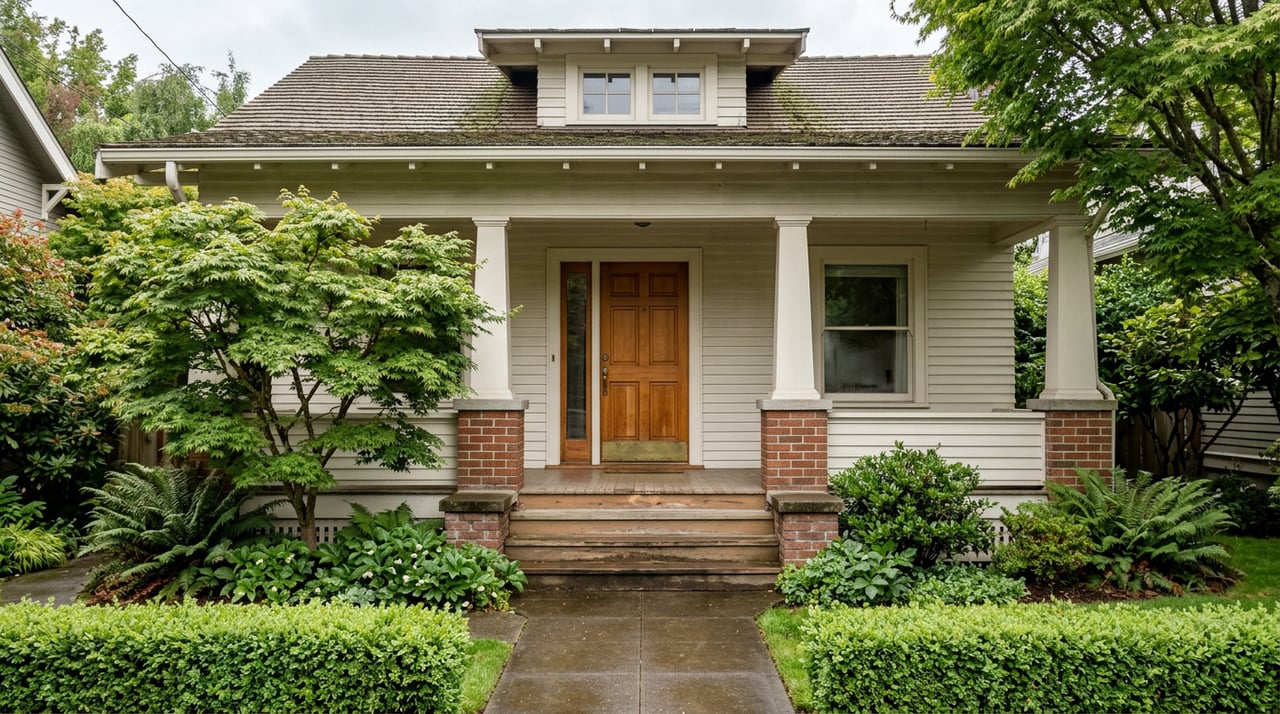
Thinking about listing your Lake Forest Park home this spring? Winter is your secret advantage. With our gray skies and wet weather, a few smart curb appeal updates can make your home stand out the moment buyers pull up. In this guide, you will learn climate-ready projects that look great in overcast light, manage water where it falls, and signal low-maintenance care. Let’s dive in.
Lake Forest Park light and weather
Lake Forest Park sits in the marine west-coast climate that defines the Seattle area. Winters are mild and wet, summers are cooler and relatively dry, and overcast skies are common outside late summer. That diffused, cool light softens colors and lowers contrast from the street, so your exterior choices should account for it.
Most of the area falls in USDA Plant Hardiness Zone 8b, which supports a wide range of evergreen shrubs, conifers, and climate-adapted plants. Many lots are sloped or wooded, with variable drainage that ranges from well-drained to seasonally saturated. Before you plan tree removals, driveway regrades, or new hardscape, check City of Lake Forest Park rules for significant trees, grading, and right-of-way work, and be mindful that increasing impervious surface can trigger stormwater requirements at the city or county level. Early checks help you avoid delays.
Landscape that fits the Northwest
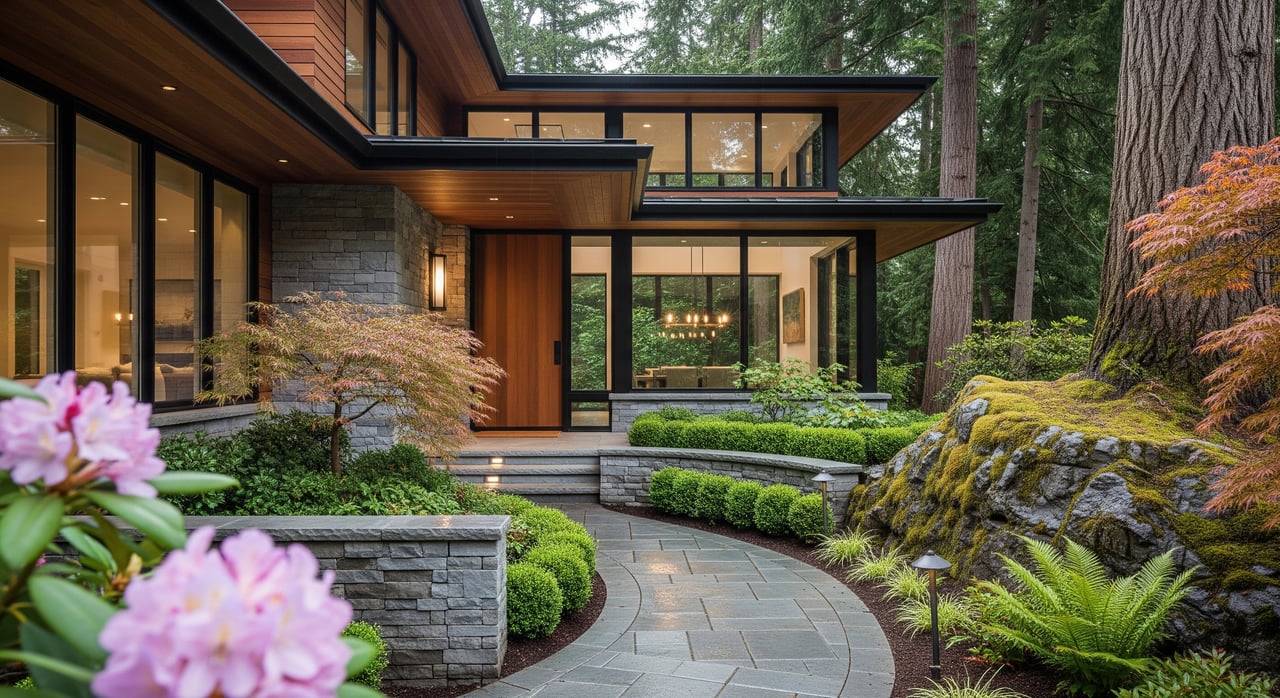
In the Pacific Northwest, buyers respond to simple, structured landscapes that look tidy in winter and effortless in spring. Focus on evergreen anchors, layered planting, and clean edges.
- Evergreen structure: Western redcedar, rhododendrons, and Oregon grape provide backbone and year-round form. Evergreen structure keeps your front yard from looking bare in winter.
- Layering from street to house: Scale larger elements at the curb, then step down with mid-height shrubs and groundcovers. Add seasonal color near the entry for a welcoming pop.
- Low-maintenance choices: Favor native or climate-adapted plants. They typically require less watering and resist local pests and disease.
Recommended options to discuss with a local nursery or landscaper:
- Canopy or ornamental trees: Vine maple (Acer circinatum) and Pacific dogwood (Cornus nuttallii) offer seasonal interest. Avoid planting large conifers too close to structures.
- Evergreen anchors and understory: Rhododendron varieties, Oregon grape (Mahonia spp.), and salal (Gaultheria shallon) hold their shape through winter.
- Shade-tolerant natives: Sword fern (Polystichum munitum), red-flowering currant (Ribes sanguineum), and salmonberry (Rubus spectabilis) do well under tree canopy.
- Groundcovers and lawn alternatives: Kinnikinnick (Arctostaphylos uva-ursi), native sedges, and moss-friendly or clover-forward mixes can outperform thin turf in shade.
- Easy color accents: Camellias, azaleas, and spring bulbs tucked into beds provide low-effort color in late winter and early spring.
Manage water where it falls
On sloped, wooded, or shaded sites, water and moss build-up are common. Plan for infiltration and safe, dry paths.
- Rain gardens and bioswales: If you have seasonal wet spots or heavy roof runoff, consider a rain garden or shallow swale sized for your downspout flows. These features slow water, support deep-rooted natives, and reduce pooling.
- Permeable planting beds: Deep mulch and well-prepped soil help water soak in. Use composted mulch and renew it yearly, leaving a small gap next to siding to avoid rot.
- Strategic planting: Deep-rooted natives and evergreens help stabilize soil on slopes and improve infiltration.
Winter prep tips:
- Mulch beds in late fall to protect roots and suppress winter weeds.
- Prune selectively. Remove dead or hazardous limbs for safety. Delay heavy pruning of spring-blooming shrubs until after they flower.
- Plant hardy shrubs and trees in late fall through early spring when the soil is workable. Bare-root stock is typically installed in late winter to early spring.
Colors and materials that pop in gray light
Overcast light mutes very pale and very dark colors. Choose finishes that keep definition from the curb.
- Body color: Mid-tones to warm mid-tones tend to read best in cool, diffused light.
- Trim and door: Use higher-contrast trim or a bold door color to create a clear focal point. Saturated tones like deep red, teal, or mustard can stand out against gray and green surroundings.
- Test smart: Paint samples on the house and view them from the curb on an overcast day and at different times.
Choose materials that withstand our wet conditions:
- Siding and trim: Cedar, fiber-cement siding, and rot-resistant trim hold up well.
- Decking and railings: Composite decking and corrosion-resistant metals reduce maintenance.
- Hardware and fixtures: Stainless or powder-coated finishes resist corrosion. Warm-color LED bulbs rated around 2700 to 3000K create a welcoming glow in early dusk.
Timing matters. Exterior paint usually requires temperatures above about 35 to 40°F and a dry period. Plan painting for late winter to spring windows if conditions allow, or hold the job for a dry stretch.
Entry upgrades buyers notice
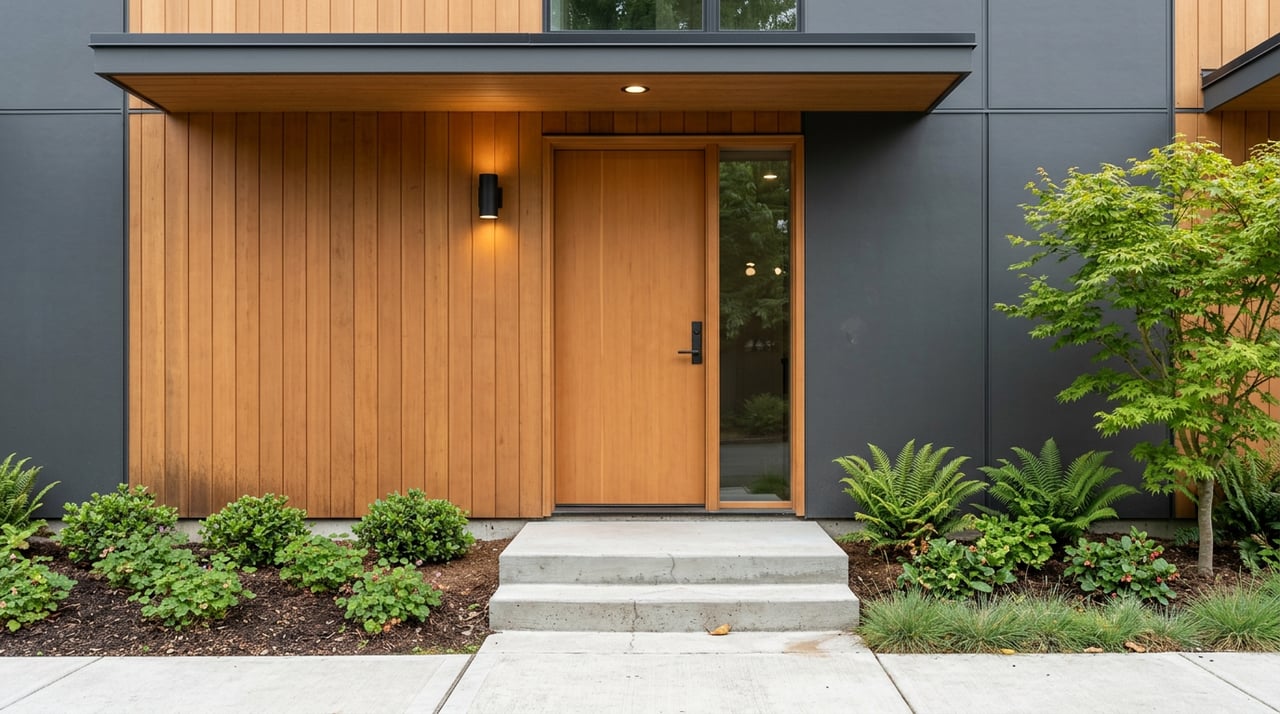
Your front entry is the handshake of the home. A few focused updates can transform first impressions.
- Front door refresh: A clean, freshly painted or well-finished door signals care. If you replace the door, choose a style that aligns with the home and street.
- Lighting: Update fixtures to weather-rated options and use warm LEDs for inviting light on gray evenings. Aim for consistent fixture finishes across the entry.
- House numbers and mailbox: High-contrast, legible numbers and a clean mailbox boost perceived maintenance.
- Covered entry: A small overhang or porch, even a simple awning, keeps visitors and packages dry and protects finishes.
- Clear, slip-resistant path: Define a direct line to the door with good drainage and traction. Add low, low-maintenance plantings along the route for a soft edge.
High-ROI, winter-friendly touches:
- Pressure-wash siding, walks, and driveway. Take care with older wood surfaces.
- Touch up trim and fascia where flaking or mildew appears.
- Replace worn mats, refresh planters with seasonal evergreens, and clean gutters for a crisp roofline.
Driveways and walkways that stay safe
Driveways in older Puget Sound suburbs can be narrow and steep. Materials and drainage move curb appeal from pretty to practical.
Material options and how they play in this climate:
- Concrete: Durable and clean-looking, especially with a broom finish for traction. On slopes or where soils settle, visible cracks can develop over time.
- Permeable pavers or reinforced gravel: Attractive and infiltration-friendly, which can reduce runoff. Expect higher install costs than basic gravel and plan for edge maintenance.
- Asphalt: Cost-effective for larger areas. It needs periodic sealing and is not always the top visual pick for buyers.
- Aggregates and compacted gravel: Drains well and looks informal. It can track into the house and may be tough on steep or narrow driveways without stable edging.
Safety and drainage best practices:
- Use textured or grooved finishes to improve traction in wet conditions.
- Avoid smooth, polished surfaces that become slippery when damp.
- Keep a clear pedestrian route with even steps, handrails where needed, and adequate lighting.
- Ensure the driveway slopes away from the house, directing water to planted areas, drains, or permeable zones to prevent pooling at the foundation.
Budget-friendly refresh ideas:
- Re-edge and resurface a walkway with broom-finish concrete or stabilized, compacted gravel.
- Add a contrasting border or low retaining edge to frame plantings and create a finished look.
- Repair and seal cracks in asphalt or concrete early to avoid bigger fixes later.
Winter to spring plan that works
Working through winter sets you up for a polished spring listing. Plan in phases and let the weather dictate the order.
November to February:
- Declutter and clean the yard. Remove debris, lift low limbs that block sight lines, and address trip hazards.
- Mulch beds and plan designs. Order materials and book contractors before spring schedules fill up.
- Handle safety pruning and hazardous limbs, following local rules. Consider drainage fixes and hardscape you can complete during dry windows.
- Plant hardy trees and shrubs when the soil is workable. Hold tender plants for early spring.
- Paint only if temperatures and dry days meet product specs, or stage this for later.
Late winter to early spring (February to April):
- Plant perennials and groundcovers, and sow lawn alternatives as conditions allow.
- Finish exterior painting and entry updates.
- Complete lighting, pathway, and edging work, then add fresh pots near the door.
Permits and pros to line up early:
- Tree removal, grading, or new impermeable surfaces may require permits in Lake Forest Park or King County. Confirm requirements before you book work.
- For drainage, retaining walls, or driveway regrades, consult a licensed contractor or engineer with local code experience.
- Use a certified electrician for outdoor lighting and a licensed contractor for porches or structural steps.
Budget and value framing:
- Local buyers often prefer low-maintenance, functional landscapes and clean, weather-appropriate finishes.
- Small, visible projects that signal care, like neat edges, safe paths, and an inviting entry, tend to deliver strong perceived value for modest cost.
- Larger hardscape or landscape projects should align with neighborhood expectations and be installed early enough to settle before listing.
Quick curb appeal checklist
- Safety and first impressions: Clear debris, fix trip hazards, clean gutters, and repair steps or handrails.
- Entry focus: Clean or paint the front door, update hardware and lighting, and make sure house numbers are visible.
- Beds and edges: Fresh mulch, light pruning, defined edging, and removal of invasive volunteers.
- Surfaces: Pressure-wash siding and hardscape, seal cracks, and add anti-slip treatments if needed.
- Planting and structure: Add two to three evergreen anchors, plus one to two seasonal accents near the entry. Plan a rain garden or permeable solution if runoff is a problem.
- Permits: Confirm needs for tree work, grading, driveway changes, or major hardscape.
Ready to list with confidence
Great curb appeal in Lake Forest Park is about fit: the right plants for the site, colors that look crisp in gray light, and pathways that stay safe and dry. Start now, work with the season, and your home will greet spring buyers with a clean, cared-for look that feels easy to own. If you want a tailored plan and trusted vendor coordination, our boutique team can help you prioritize updates and showcase the results with polished video and photography. Reach out to PBNW Homes to get started.
FAQs
Will a dark exterior color look good in Lake Forest Park’s overcast light?
- Dark colors can work if you pair them with contrasting trim or a bold, warm front door, and always test paint samples on the house during an overcast day from curb distance.
What plants survive wet, shady front yards in Lake Forest Park?
- Native evergreen shrubs like salal and Oregon grape, sword ferns, rhododendrons, and other shade-tolerant perennials perform well, while sun-loving annuals struggle in heavy shade.
Do I need a permit to remove a tree or change my driveway in Lake Forest Park?
- Possibly, since the city and county have tree, grading, stormwater, and right-of-way rules, so check municipal code and confirm permit needs before scheduling work.
When is the best time to paint or plant before a spring listing in Lake Forest Park?
- Paint when you have consistent dry days and manufacturer-approved temperatures, often late winter to spring, and plant hardy shrubs and trees from late fall through early spring when soil is workable.
How can I prevent moss and slippery walkways in Lake Forest Park’s climate?
- Choose textured finishes, improve drainage, increase light by thinning canopy where allowed, and use locally approved moss treatments along with regular cleaning to keep surfaces safe.