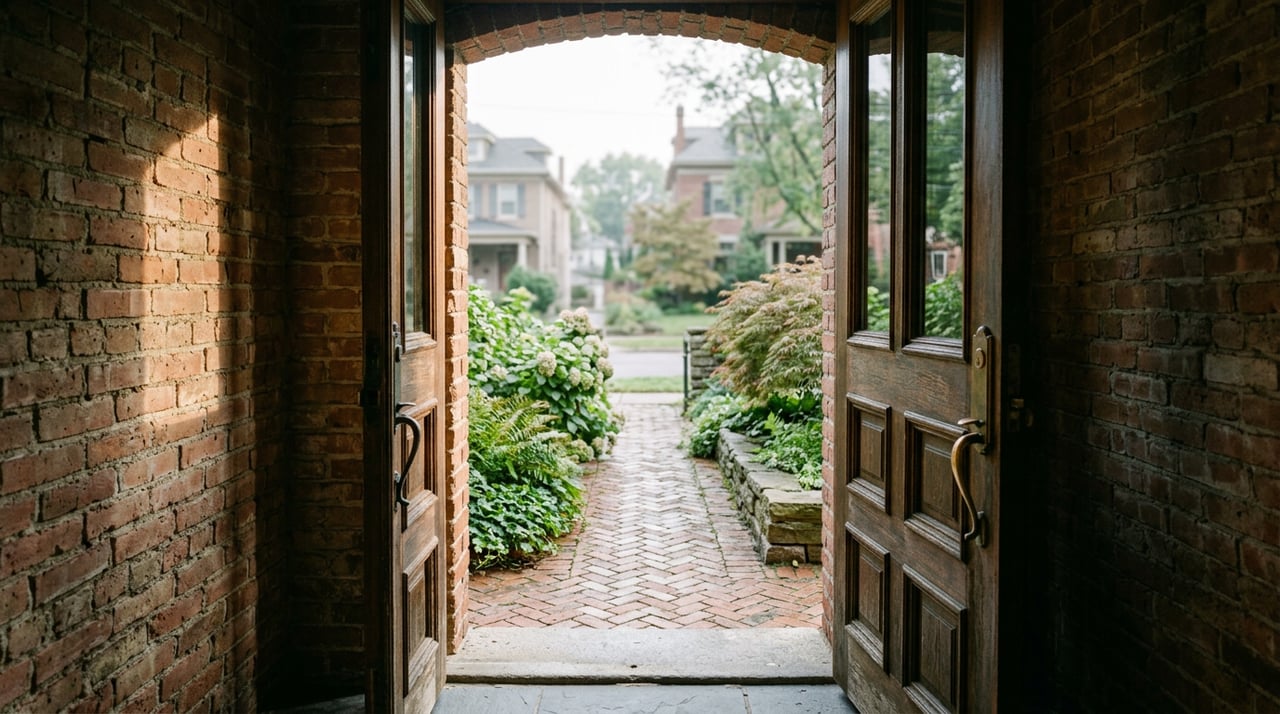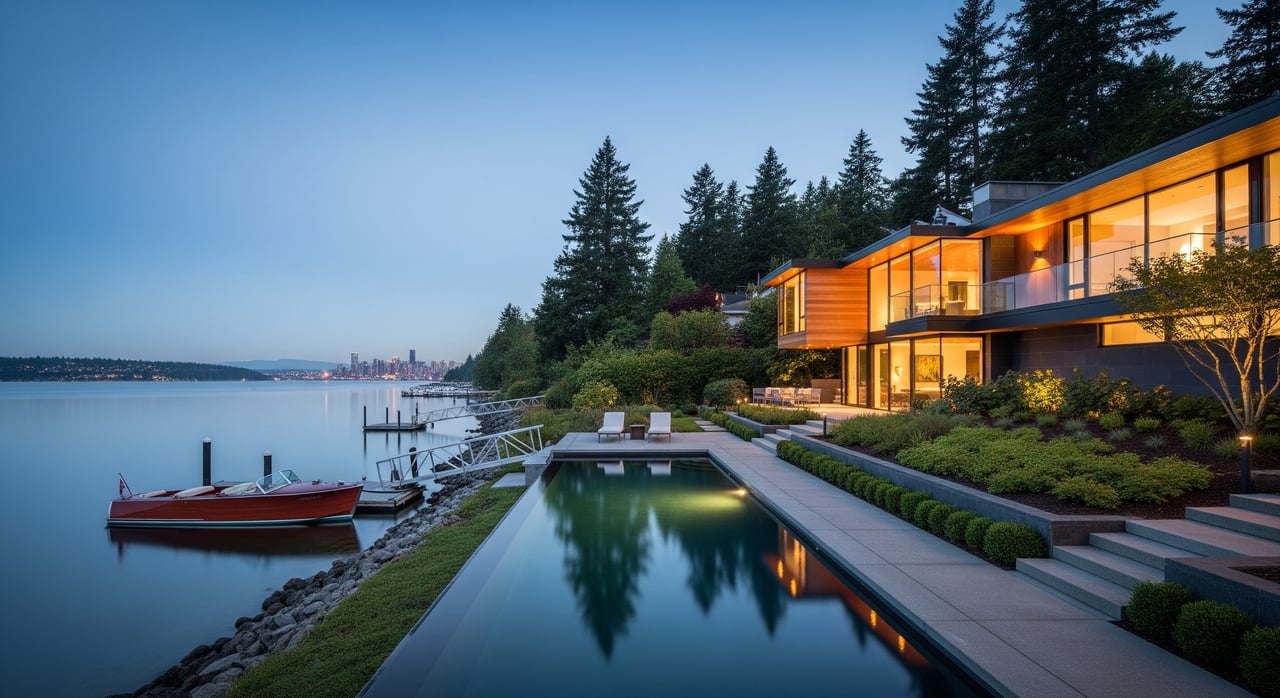
If you could choose between a private dock and a ridge-top sunset view, which would you pick? On Mercer Island, waterfront and hillside homes both offer standout lifestyles, but each comes with different costs, logistics, and upkeep. If you are a move-up buyer or a relocating professional, understanding those tradeoffs can help you move with confidence. In this guide, you will learn how the two options compare on pricing, commute, schools, lifestyle, risks, and resale so you can choose what fits you best. Let’s dive in.
Waterfront basics on Mercer Island
Waterfront homes sit along Lake Washington’s shoreline that wraps the entire island. These properties often deliver direct or near-direct access to the water, with private docks, boathouses, or beach access on many parcels. Lots can be linear along the shoreline and range from gentle slopes to modest bluffs above the lake. The result is a lifestyle centered on boating, swimming, and unobstructed water and skyline views.
Waterfront parcels are limited by nature, which keeps supply tight. You also tend to see a mix of legacy homes and replacement custom builds. The scarcity of shoreline and the cachet of lake access are key reasons why waterfront typically sells at a premium.
Hillside basics and setting
Hillside homes are set back from the water on the island’s interior slopes and hilltops. Many still offer lake or skyline views from higher elevations, even without direct shoreline access. Lots here can back to wooded areas, parks, or ridgelines, and may require steeper, longer driveways.
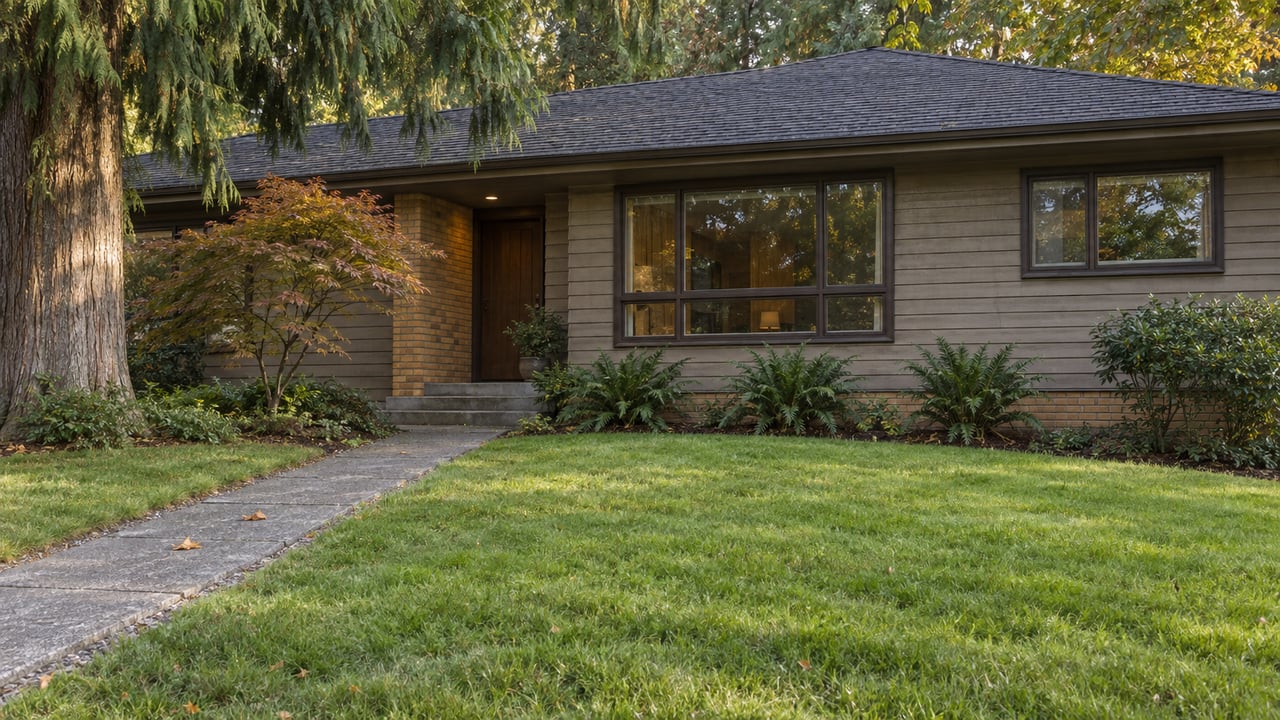
The hillside offers a wide variety of home types, from mid-century to renovated residences and new construction on sloped lots. For many buyers, the hillside balances privacy, greenery, and view potential, often at a lower entry price than waterfront alternatives of similar interior size.
Market and pricing patterns
Waterfront properties on Mercer Island historically command higher prices and higher price-per-square-foot than non-waterfront homes. The combination of lake access, unobstructed views, and limited inventory supports premium pricing and strong long-term desirability. When the luxury market is robust, waterfront appreciation can outpace the broader market.
Hillside homes cover a broad spectrum. Many are more affordable than waterfront options for comparable interior square footage. At the same time, large or well-sited hillside estates that capture dramatic views can approach waterfront pricing. Renovations that open up views or add space can drive strong appreciation, though construction on steep sites can add cost and complexity.
Inventory and home types
- Waterfront: Fewer parcels overall, with a mix of older homes and high-end custom replacements. Limited supply, higher transaction complexity, and strong luxury demand contribute to pricing power.
- Hillside: Larger pool and wider variety. It is often easier to find move-up-size homes across styles and budgets compared with waterfront.
Price behavior over time
- Waterfront prices tend to be more sensitive to high-end buyer demand, lake access quality, and view corridors.
- Hillside prices respond to renovations, added square footage, and improved view exposure. On steep sites, the cost of foundations, retaining walls, and access can affect project budgets and resale timing.
Commute and daily access
Mercer Island straddles I-90, the primary corridor to both Seattle to the west and Bellevue and the Eastside to the east. If you commute, proximity and access to I-90 on-ramps often matter more than whether the home is waterfront or hillside.
Hillside properties near central corridors or Island Crest Way can offer more direct lines to I-90. Some hillside streets are steeper or winding, which can add a minute or two in rush hour or during winter weather. Waterfront homes may sit close to parks or boat launches, but not always near highway access, so exact location is key.
Public transit is available during peak periods with bus service across I-90 to Seattle and Eastside connections. Walkability varies by neighborhood. Downtown Mercer Island is central and walkable for many mid-island homes. Hillside streets can be less conducive to bike commuting due to grade.
Schools, services, and parks
The Mercer Island School District serves the entire island. Families value strong academics and programs, and school assignments vary by exact address. Always verify boundaries and specific school assignments for a property you are considering.
Downtown Mercer Island offers a core of retail and dining that many mid-island homes can reach by foot or a short drive. Some waterfront pockets near downtown are walkable to shops and restaurants. Other hillside and shoreline areas are farther from the commercial center, so you will likely drive for daily errands.
For recreation, waterfront living offers direct lake access and a strong boating culture, with private docks on some properties and public lakeshore parks nearby. Hillside living favors proximity to wooded trails, larger tree canopy, and privacy. Depending on orientation, elevated homes can enjoy impressive sunsets or skyline views without shoreline upkeep.
Lifestyle tradeoffs to weigh
Choosing between waterfront and hillside is about fit. Here are the practical pros and cons that show up most often.
Waterfront pros
- Direct lake access for boating, swimming, and a beach lifestyle.
- Unobstructed water and skyline views that enhance daily living and resale appeal.
- Scarcity value and luxury-market cachet.
Waterfront considerations
- Higher purchase price, with likely higher property taxes and insurance.
- Maintenance for docks, boathouses, shoreline stabilization, and landscaping exposed to wind and water.
- More complex regulations and permitting for shoreline work, along with potential easements and riparian rights to verify.
- Seasonal activity on the lake and nearby parks can add noise or foot traffic interest.
Hillside pros
- More interior space or land for the dollar, plus greater privacy and tree canopy.
- Potential for panoramic views from higher ridges without dock or shoreline maintenance.
- Often simpler permitting for additions than shoreline properties and fewer specialized insurance needs.
- Wider variety of options for move-up buyers across price points and styles.
Hillside considerations
- Steeper driveways and streets can slow access and present challenges in winter weather.
- Slope stability, drainage, and stormwater management are important for construction or major remodels.
- Building on steep lots can require specialized foundations and retaining systems that increase costs.
- Some hillside locations are farther from downtown amenities and transit.
Risks, permits, and insurance
Every property has unique conditions. On the shoreline, verify flood risk with official maps and confirm the status of any bulkheads, docks, or boathouses. Expect more permitting oversight for shoreline improvements through city and state agencies. Insurance needs can be higher when you include docks and added liability.
On the hillside, prioritize geotechnical due diligence. Slope stability, soils, drainage, and stormwater plans matter for both safety and cost control. While hillside insurance is often simpler than waterfront, plan for potential expenses tied to drainage or retaining walls over time.
Buyer checklist for each home type
Use this quick checklist to keep your evaluation on track.
Waterfront due diligence
- Confirm parcel lines, shoreline frontage, riparian rights, and any recorded easements.
- Review the condition and permits for docks, boathouses, and shoreline stabilization.
- Check FEMA flood map status and local floodplain information for the specific parcel.
- Understand city and state shoreline regulations that govern repairs and new work.
- Verify utility connections, especially sewer, and clarify access for service vehicles.
- Confirm school assignments by address and evaluate routes to downtown Mercer Island.
Hillside due diligence
- Obtain or review geotechnical reports if you plan additions or major renovation.
- Evaluate slope, drainage, and stormwater management, including retaining walls.
- Understand driveway grade and access during inclement weather, plus any road maintenance obligations.
- Verify utility connections, including sewer, and the feasibility of future improvements.
- Confirm school assignments by address and proximity to parks or trails that matter to you.
- Review recent comparable sales that capture view potential for long-term planning.
Resale and long-term value
Waterfront’s long-term desirability is supported by limited supply, strong views, and direct access to the lake. Resale strength depends on overall market conditions at the luxury tier and on the condition of shoreline infrastructure. Well-maintained docks and permitted shoreline improvements can support buyer confidence and pricing.
Hillside homes can appeal to a broad buyer pool when they combine usable land, modernized interiors, views, and good access to I-90. Many hillside properties present value-add opportunities through remodels that open up views or expand interior space. The cost and time for slope-related construction should be part of your long-term plan.
Which is right for you?
If your lifestyle revolves around the water, you want a dock, or you dream of morning swims and sunset cruises, waterfront likely fits you. Expect higher upfront costs, more specialized maintenance, and a defined set of shoreline regulations. In return, you get direct access to Lake Washington and the daily joy of unobstructed views.
If you prefer privacy, a larger home for the dollar, flexible remodel potential, or sweeping views without waterfront upkeep, the hillside is compelling. You will still enjoy island living with access to trails, parks, and a central location between Seattle and the Eastside. Plan ahead for driveway grades, drainage, and any future slope-related projects.
Ready to compare real homes and neighborhoods side by side? A local, experienced advisor can help you weigh commute access, school assignments, lifestyle goals, and long-term costs so your choice is clear and confident.
If you want curated options and calm, expert guidance, reach out to PBNW Homes. Our boutique, owner-led team pairs market insight with high-touch service, from buyer representation to relocation support and negotiation leadership.
FAQs
How much more do Mercer Island waterfront homes cost than hillside homes?
- Waterfront typically sells at a premium due to direct lake access, unobstructed views, and limited supply. Exact price differences vary by lot, condition, and view quality.
What unique maintenance should I expect with a waterfront home on Mercer Island?
- Plan for dock and shoreline maintenance, potential boathouse upkeep, and landscaping exposed to lake weather, along with more complex permits for shoreline work.
How does living hillside affect my commute compared to waterfront on Mercer Island?
- Commute depends more on proximity to I-90 on-ramps than on being hillside or waterfront. Some hillside streets are steeper, which can affect travel during rush hour or winter.
Does Mercer Island School District serve both waterfront and hillside neighborhoods?
- Yes, the district serves the entire island, with school assignments based on address. Always verify boundaries for the specific property you are considering.
Are there hillside homes with views comparable to waterfront?
- Yes, elevated hillside homes can offer wide lake or skyline views without shoreline upkeep. View quality depends on elevation, orientation, and surrounding tree canopy.
What inspections and reports should I prioritize for hillside properties?
- Emphasize geotechnical due diligence for slope stability, drainage, and foundations, especially if you plan additions or significant renovations.
Do waterfront properties require special insurance on Mercer Island?
- Many owners add coverage for docks and higher liability, which can increase premiums. Confirm policy options and costs with your insurer for the specific property.