Are you torn between Mercer Island’s North End and South End? You are not alone. Both offer access to Lake Washington, great neighborhoods, and a small-island feel, yet the day-to-day experience can be different. In this guide, you will learn how the two ends compare on housing, amenities, schools, and commute so you can choose confidently. Let’s dive in.
How we define North vs South
For this guide, North End means the northern half of Mercer Island, roughly the area above the island’s midpoint. South End means the southern half below that midpoint. Locals use informal lines, so this simple split helps you compare options side by side without getting lost in micro-boundaries.
- North End: Primarily residential pockets with shoreline neighborhoods and west-facing view opportunities.
- South End: Includes the island’s main commercial core and nearby higher-density housing, plus direct access to key services.
- Distance across the island is short. You can drive end to end in minutes when traffic is light.
Housing at a glance
What you will find on both ends
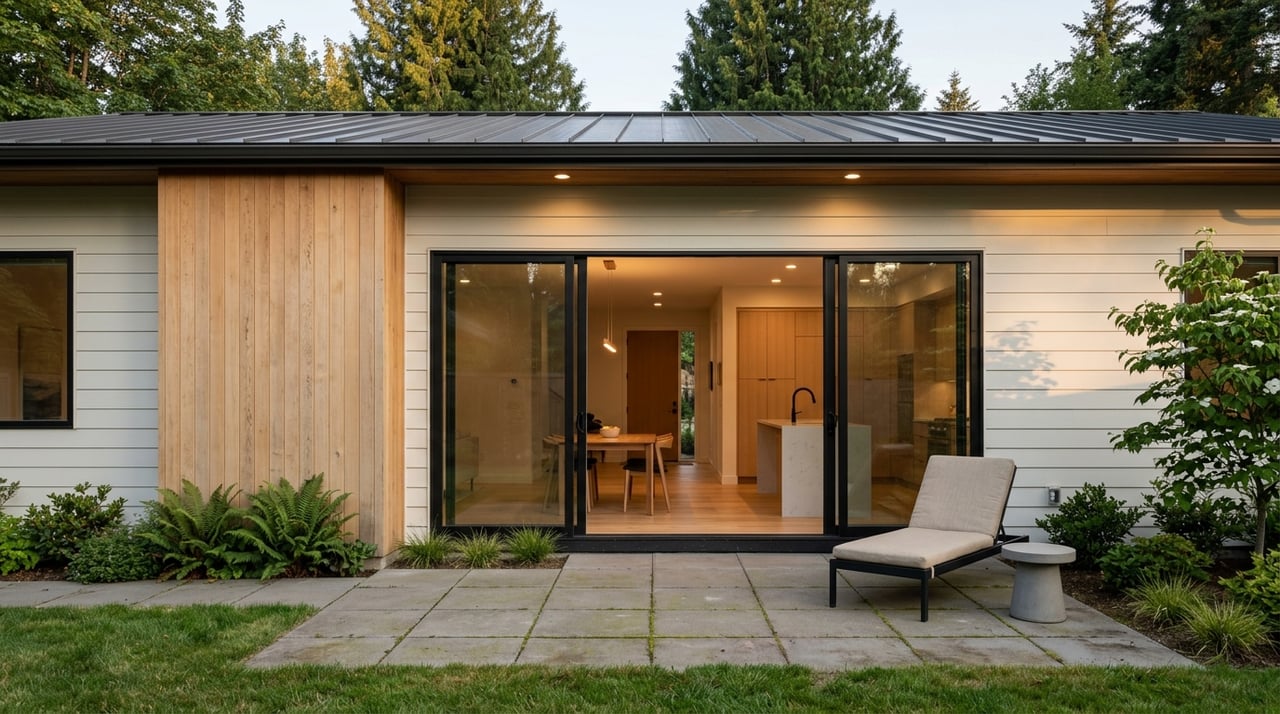
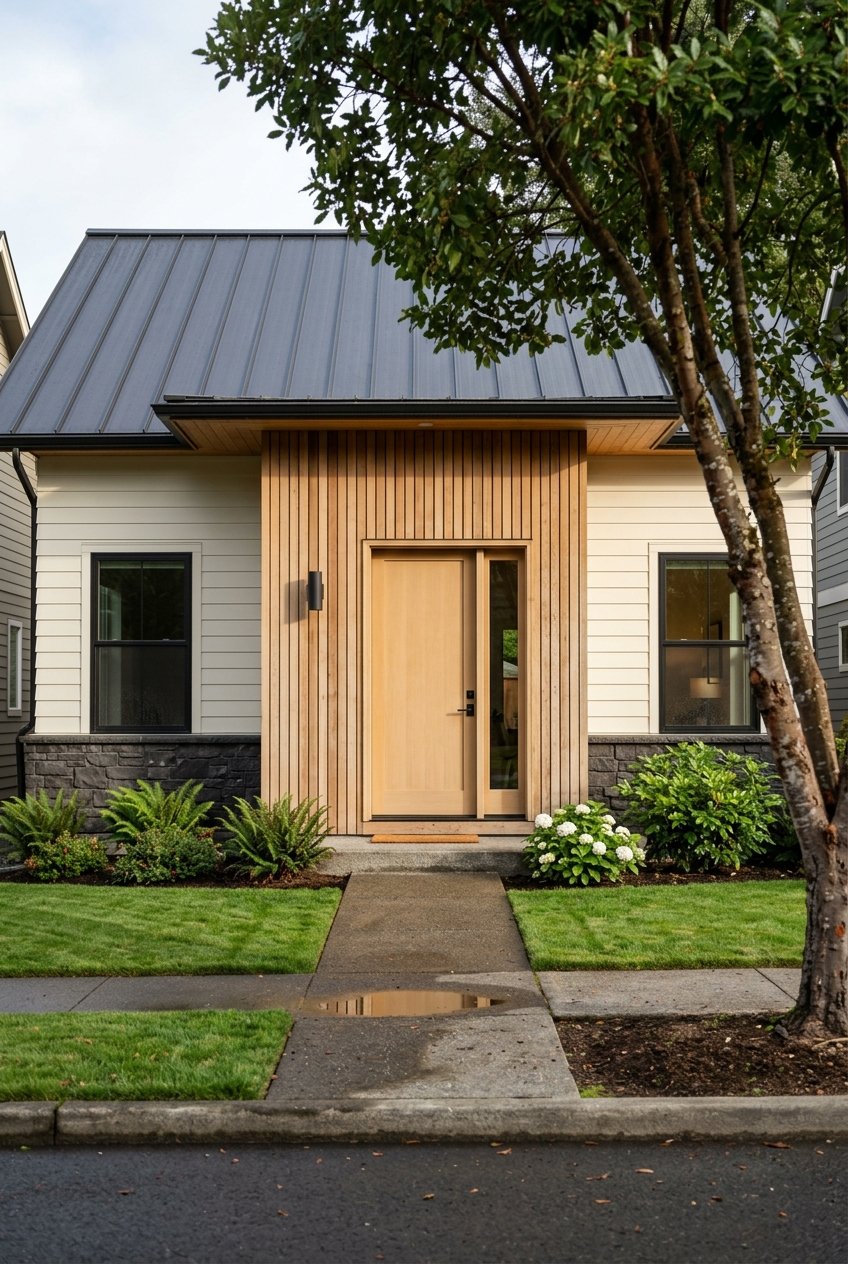
- Single-family homes are the main product across the island.
- You will see mid-century homes, post-war houses, and newer custom rebuilds.
- Waterfront and view properties exist on both ends and are the priciest segment islandwide.
- Condos and townhomes appear in denser pockets, especially near the commercial area.
North End housing profile
- A notable mix of mid-century homes and established waterfront neighborhoods.
- Mature landscaping and some larger lots in certain pockets, which can add privacy and upkeep.
- West-facing lots often capture lake and Seattle skyline views that command a premium.
South End housing profile
- Proximity to the island’s primary retail and civic services increases everyday convenience.
- A broader mix of housing types, including condos and townhomes near the commercial core.
- Lot sizes vary, with some smaller-lot options that reduce maintenance compared with older, larger parcels.
Lifestyle and amenities
Parks and shoreline access
- North End: Includes several shoreline and neighborhood parks. Public lake access points and trails support boating, paddling, and relaxed waterfront time.
- South and central areas: Offer athletic fields, community facilities, and parks closer to shops and services.
- Waterfront buyers should confirm private dock rights, permitting, and any shoreline regulations before making an offer.
Retail, dining, and services
- South End: Generally the closest to grocery stores, restaurants, the post office, library, and city services. This boosts walkability for errands.
- North End: More residential in feel. Depending on your exact spot, you may drive a short distance to reach the main commercial strip.
Recreation and community rhythm
- Island life centers on outdoor time: walking paths, lake days, community events, and youth activities.
- Pick your end based on what you want to reach quickly: a favorite shoreline, athletic fields, or the town center.
Commute and transit
Driving and I-90
- I-90 is the island’s main route to Seattle and Bellevue. Your proximity to on and off ramps can trim minutes from daily drives.
- Peak congestion on the floating bridge is common. Commute times depend on the time of day and direction of travel.
- South End proximity to some ramps and a park-and-ride can reduce local street time before you hit the highway.
Transit options
- King County Metro operates cross-lake bus routes that serve the island. Schedules and routes change, so check current service if transit matters to you.
- Park-and-ride facilities on the island help commuters who prefer buses.
- As of mid-2024, there was no light rail station on Mercer Island. Keep an eye on regional plans for any future changes.
Biking and local mobility
- Distances are short, which makes biking or quick drives to schools, parks, and town center feasible.
- Topography and street connectivity vary by neighborhood, so test your preferred routes.
Schools and enrollment basics
- The Mercer Island School District is highly rated and is a key factor for many buyers.
- School locations and attendance boundaries can influence where you choose to live. Always confirm current assignments with the district before you write an offer.
- If walkability to a school is important, check pedestrian routes, crosswalks, and sidewalk coverage.
Price and value realities
- Waterfront and premier-view homes are the most expensive across the island, regardless of end.
- Interior single-family homes and condos are relatively more attainable compared with waterfront.
- Within Mercer Island, micro-location often matters more than a simple North vs South label. View corridors, proximity to the commercial core, and lot characteristics can shift value significantly.
- For a data-driven view, compare recent medians and months of supply for North single-family, South single-family, and each end’s condo or townhome segment. Use current MLS data and note the time frame.
North vs South quick chooser
Choose the North End if you want:
- More residential streets with a quieter vibe in many pockets.
- Strong potential for west-facing views and established waterfront areas.
- Mature lots that may offer privacy and green space.
Choose the South End if you want:
- Shorter trips to grocery, dining, library, and city services.
- Easier access to I-90 ramps and a park-and-ride for daily commuting.
- A wider mix of condos, townhomes, and single-family options close to the commercial core.
Buyer checklist for Mercer Island
- Define your boundary: Use the midpoint split or your agent’s map to keep search areas clear.
- Rank your must-haves: waterfront or view, commute time, proximity to the town center, yard size, school assignment.
- Confirm key details with the listing agent: zoning, any HOA or condo fees, and known long-term plans affecting traffic or development.
- For waterfront buyers: verify private dock rights, shoreline restrictions, recent permits, and any insurance considerations.
- Test-drive at rush hour: drive both Seattle-bound and Bellevue-bound routes from your top addresses.
- Validate school info: confirm assignments and check the practical walking route.
- Inspect maintenance fit: larger, mature lots mean more upkeep; smaller lots or condos reduce yard work.
Next steps and local guidance
Mercer Island is compact, which makes the choice more about lifestyle than labels. If you value quiet streets and potential view corridors, the North End may shine. If everyday convenience and commute access rank first, the South End often delivers. The right fit depends on your daily rhythm, not just your address.
When you are ready, tour both ends at different times of day, test commute routes, and walk to the places you will visit most. If you want a clear plan and a smooth purchase, we are here to help. Reach out to PBNW Homes for tailored guidance, on-the-ground insight, and a focused search that respects your time.
FAQs
Where is the line between Mercer Island’s North and South Ends?
- Locals use informal boundaries. For this guide, think of the island’s midpoint as the divider, with North End above it and South End below it.
Are home prices higher on the North End or South End of Mercer Island?
- The biggest premiums follow waterfront and top view corridors on both ends. Micro-location typically matters more than a simple north versus south comparison.
Which end of Mercer Island is better for commute access?
- South End locations tend to be closer to I-90 ramps and a park-and-ride, which can shorten the local leg of your commute. Actual time varies by direction and hour.
Is the South End more walkable to shops and services?
- Generally yes, because the island’s main commercial core and civic services sit in the south and central area, which can reduce driving for errands.
Does Mercer Island have light rail service today?
- As of mid-2024, there was no light rail station on the island. Monitor regional plans for future changes.
What types of homes are common on each end of Mercer Island?
- Both ends feature single-family homes, mid-century stock, and newer rebuilds. The South End adds more condos and townhomes near the commercial area, while the North End includes established waterfront pockets.