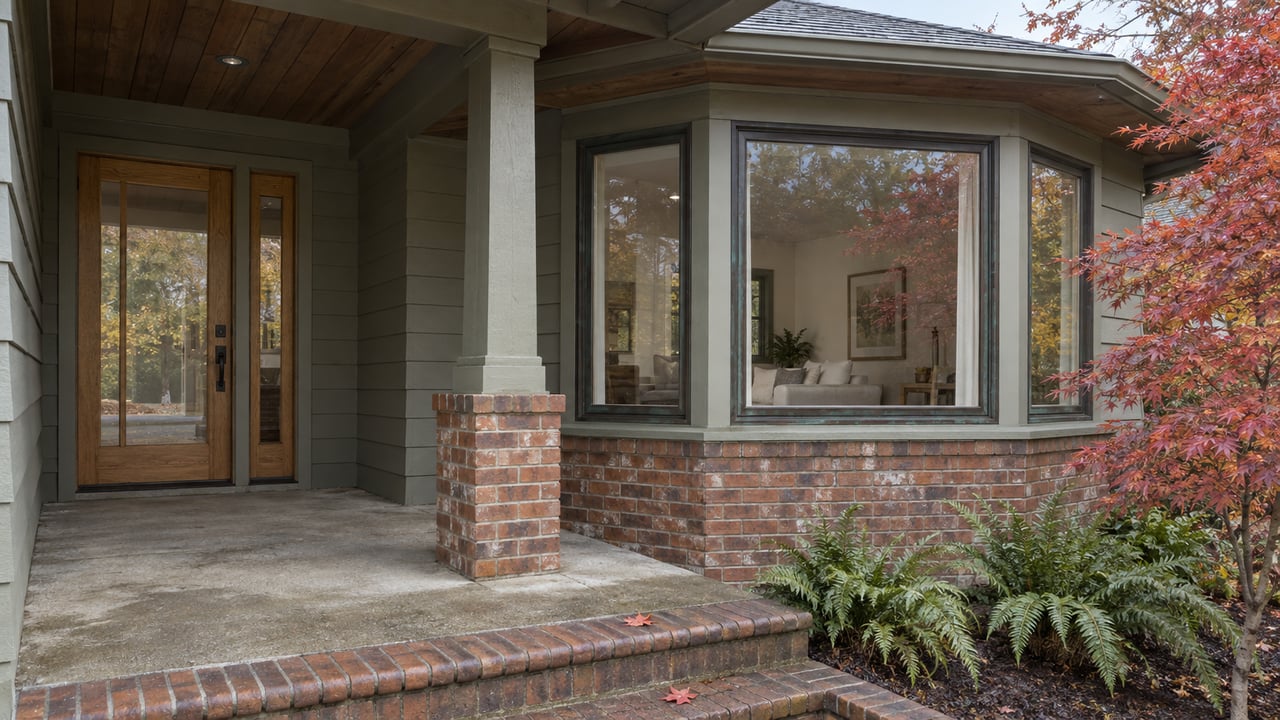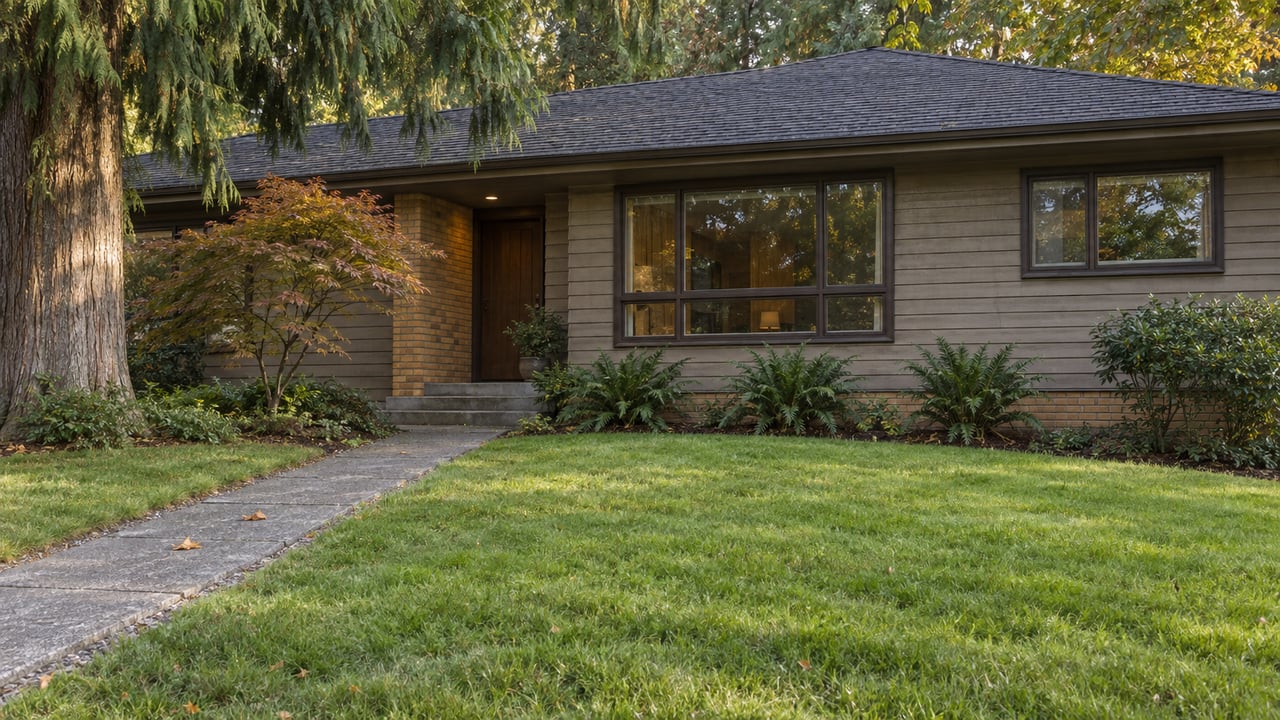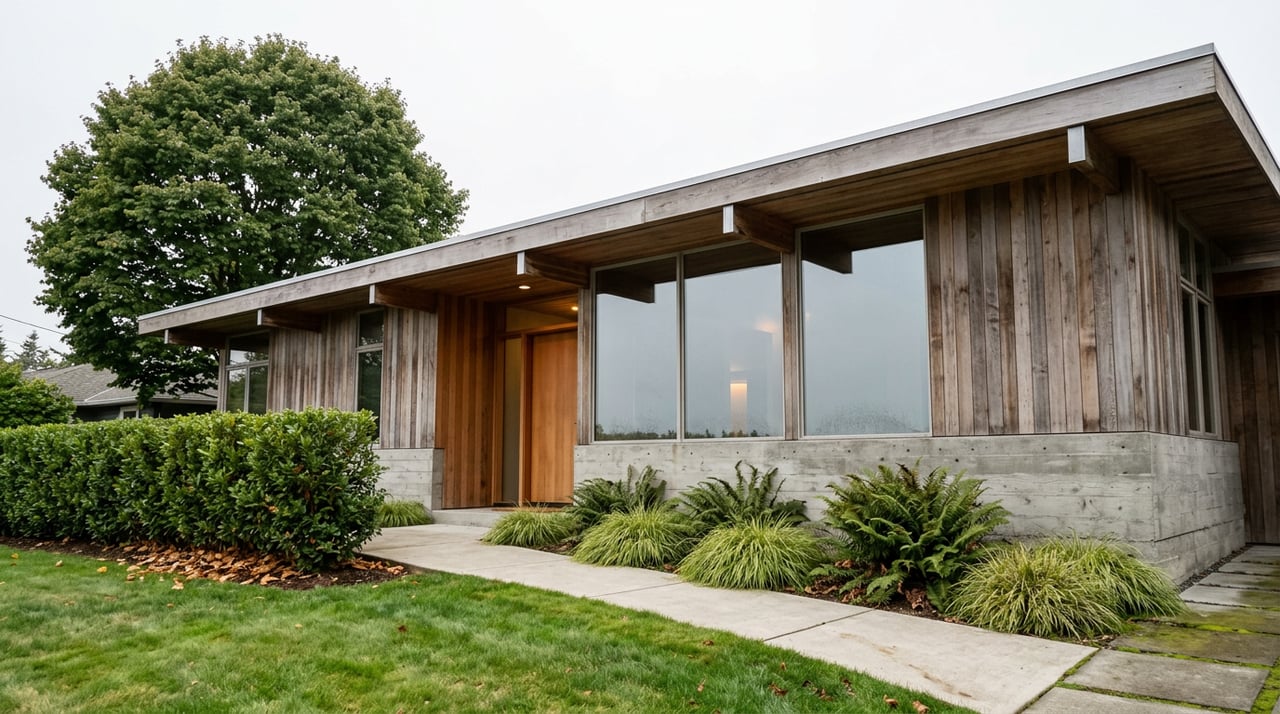
Pull two listings from this summer's Mercer Island market and put them side by side. One is a two-bedroom condo a few blocks from the new Town Center light rail station. The other is a single-family home north of I-90, the kind of quarter-acre lot with a long driveway that Mercer Island is known for. Both are technically the same city. Run comps on each and you get numbers that look like they belong to two different real estate markets, because in the ways that matter to a buyer's offer, they do.
That split is the story the island-wide median has been quietly hiding since March.
The station opened. The market didn't move the way anyone expected.
Mercer Island's light rail station opened on March 28, 2026, as part of Sound Transit's Crosslake Connection, the same day Judkins Park station opened on the Seattle side of the floating bridge. At the ribbon-cutting, Sound Transit CEO Dow Constantine told the city council that residents would benefit from "trains running every eight to 10 minutes, all day, every day, with direct connections to Bellevue and Redmond, to Seattle, the University of Washington" and called it "a remarkable change for folks who have been used to being stuck in traffic."
Nearly six months later, that change is visible, but not where a casual read of the market would put it. If you look at Mercer Island as a single number, the story is quiet. Over the three months ending June 2026, the median sale price across the whole island was $2.5 million, essentially flat compared to the same period a year earlier. Price per square foot came in at $785, down about 1 percent year over year. Homes took an average of 9 days to sell, up from 5 days the year before, and 69 homes sold in June 2026 compared to 77 in June 2025.
None of that reads like a neighborhood in the middle of a transit opening. That's because it isn't, not as a whole. The transit opening happened in a few specific blocks, and the island-wide median is built to smooth exactly that kind of concentrated change out of view.
What the Town Center numbers actually show
Redfin's own submarket data for Downtown Mercer Island, the Town Center core within a short walk of the new station, tells a different story over the same three months. The median sale price there was $680,000, up 6.2 percent year over year. Price per square foot was $552, up 36 percent year over year. Homes that used to sit for 18 days now sell in 9.
That 36 percent jump in price per square foot deserves a caveat before anyone treats it as gospel. Downtown Mercer Island recorded exactly one home sale in June 2026, down from five the year before. A market this small can swing hard on a single closing, so the direction matters more than the precision of the percentage. But the direction is consistent with everything else happening in Town Center this year, and it lines up with a mechanism that has nothing to do with the trains themselves and everything to do with what the city allows to be built next to them.
| Island-wide (3 mo. ending June 2026) | Downtown Mercer Island (3 mo. ending June 2026) | |
|---|---|---|
| Median sale price | $2.5M, flat YoY | $680K, up 6.2% YoY |
| Price per square foot | $785, down 1.2% YoY | $552, up 36% YoY |
| Average days on market | 9 days (up from 5) | 9 days (down from 18) |
| Homes sold in June | 69 (down from 77) | 1 (down from 5) |
Zoning drew the line before light rail did
The reason the transit bump stayed inside a few blocks instead of lifting the whole island is a zoning boundary that predates the station by decades. North of I-90, city code preempts anything but single-family housing on large lots, which is a major reason home prices there sit north of $2 million. South of the freeway, in the Town Center, the city has spent years slowly, reluctantly, allowing more density, and this year that process finally produced a building.
Lunara, a 146-unit apartment building at 7750 SE 29th Street between 77th and 78th avenues, opened for leasing on July 14, 2026, with the first residents moving in a week later. It sits an easy walk from Metropolitan Market, QFC, and the station platform itself. The building's history explains why it took this long. It began as a five-story proposal called the Hines project, meant to include more than 150 homes and a high-end grocery store near the future station. A homeowner group called Save Our Suburbs fought it starting in 2015, pushing for a building moratorium and a costly redesign that stalled the project for years. It eventually resurfaced under new ownership as Lunara, one story shorter and with a smaller package of public benefits than originally promised, including the loss of 200 public parking stalls that had been intended for light rail commuters.
One planning advocate quoted in coverage of the saga put it this way:
"Mercer Island's dysfunction is what inspired me to pursue a career in transportation planning, fighting change has tangibly harmed the community, the collapse of the Hines project being a notable example. We lost out on incredible public benefits a decade ago because we couldn't get out of our own way."
That decade-long fight is part of why Town Center has added just 549 multifamily units since 2010, a fraction of what similar station areas in Redmond and Bellevue have built in the same window. It's also why the city is now under state pressure, tied to Washington's 2025 transit-oriented development law, to upzone the entire Town Center from its current two-story base height to eight stories. The upzone hasn't fully landed yet. What has landed is Lunara, the first real test of what happens to prices and rents when a station area gets even a partial dose of the housing a transit stop is supposed to support.
What this means if you're comparing Mercer Island to Bellevue or Redmond
If your search radius includes Mercer Island alongside Eastside cities like Bellevue or Redmond, the island-wide median is the wrong number to anchor on, because it's averaging two markets that are behaving nothing alike right now.
Buy north of I-90 and you're buying into the traditional Mercer Island story: a five-square-mile island that cannot expand, a single high school and a small, tightly regarded school district, and a supply constraint that has nothing to do with light rail and everything to do with zoning that has capped density there for decades. That market moves on scarcity and timing, not commute times, which is part of why the average sale price fell nearly 15 percent last month even as the median barely budged. Fewer high-end sales at the very top of the range can pull an average down without moving the typical transaction at all, a distinction worth understanding before assuming the whole island got cheaper.
Buy in Town Center and you're buying into something closer to what Redmond and Bellevue have already experienced near their own station areas: a smaller, denser market where price per square foot moves faster because the supply of new units is finally, slowly catching up to demand from people who want the 10-minute ride to Bellevue's downtown or the 12-minute ride into Seattle without owning a car for the commute. It's also a market where a single closing can swing the reported numbers, so anyone pricing a Town Center condo or townhome this year should look at trend direction over several months rather than any one data point in isolation.
Neither story is better. They're just different enough that treating Mercer Island as one number, one market, one comparison point against Redmond or Bellevue will lead a buyer to misjudge what a given address actually is. A walk from the station platform to a listing address, and a look at what side of I-90 that listing sits on, tells you more than the citywide median ever will.
Frequently asked questions
Does the light rail station mean Mercer Island home values are about to rise across the board? The data through June 2026 doesn't support that read. The increase so far is concentrated in the Town Center submarket near the station, not the island as a whole, and it's built on a small number of transactions that can move sharply month to month.
Is Lunara the only new housing near the station? It's the first major building to open since the station itself opened in March 2026. The city is in the process of upzoning the broader Town Center to eight stories under state compliance requirements, which could bring more projects forward in the coming years, though the timeline for those isn't settled yet.
Why did the average sale price fall while the median stayed flat? Averages are sensitive to a small number of very high-priced sales. When fewer waterfront or luxury transactions close in a given month, the average can drop noticeably even while the price of a typical home barely changes.
If you're weighing a Town Center condo against a single-family home north of I-90, or trying to figure out what the light rail opening actually changes for your search, PBNW Homes has been tracking this market long enough to read the difference. Work With Us.