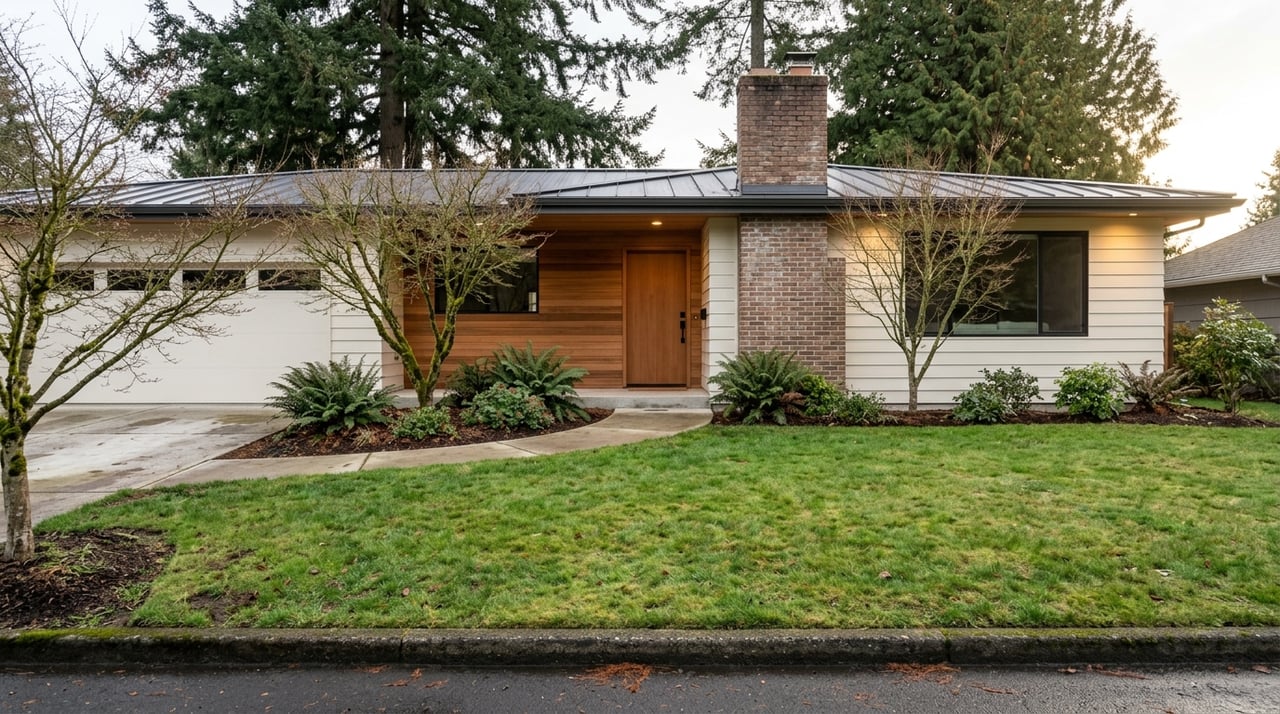
If you want a calmer home base without cutting yourself off from Seattle or the Eastside, Lake Forest Park is worth a closer look. Many buyers are trying to balance commute time, daily convenience, and the kind of setting that actually feels restorative at the end of the day. This guide will help you understand how Lake Forest Park fits that equation, from transit options to lifestyle tradeoffs, so you can decide whether it matches your routine. Let’s dive in.
Why Lake Forest Park Stands Out
Lake Forest Park is a small north King County city with about 13,630 residents. The city highlights its parks, tree cover, creek and lake views, and trail access, which gives the area a distinctly green, residential feel.
For many commuters, that setting is the main draw. You are not choosing Lake Forest Park because it sits in the middle of a dense urban grid. You are choosing it because it offers a quieter pace while still connecting to the wider Seattle-Bellevue-Everett region.
The city has also identified better public waterfront access near Town Center and the Burke-Gilman Trail as a priority. That matters because it shows an ongoing focus on everyday livability, not just pass-through traffic.
What Daily Life Can Feel Like
Lake Forest Park supports the kind of routine where outdoor time can fit naturally into your week. City materials point to short nature walks, dog walking, picnic areas, lake access, salmon viewing, and the Burke-Gilman Trail as part of regular park use.
That can be a meaningful advantage if your workdays are busy. Instead of driving elsewhere to unwind, you may be able to build a walk, trail ride, or quick park stop into your morning or evening closer to home.
The city also notes ongoing maintenance of trees, pathways, and outdoor play areas. In practical terms, that reinforces the appeal of a neighborhood where recreation is part of daily life, not just a weekend plan.
Seattle Commute Options From Lake Forest Park
If you work in Seattle, Lake Forest Park can be a workable option, especially for north-end and central Seattle connections. The strongest current transit choice is King County Metro Route 322.
Route 322 for Seattle Jobs
Route 322 serves Lake Forest Park, Lake City, Northgate, South Lake Union, and First Hill. It runs Monday through Friday only and does not operate on weekends or holidays.
For commuters headed to downtown Seattle, that often means using a bus-plus-rail pattern. Route 322 reaches Northgate Station, and Link light rail serves downtown Seattle, so transferring there can help complete the trip.
Best Fit for Seattle Riders
This setup can work well if you have a fairly standard weekday office schedule. It may feel less convenient if your job includes weekend shifts, changing start times, or frequent late evenings.
That does not make Lake Forest Park a poor Seattle commute choice. It simply means you will want to match the route structure to your actual routine, not just the map.
University District Access Is Stronger
For University District or UW-area jobs, Lake Forest Park has a more straightforward transit story. King County Metro Route 372 is the clearest fit.
Route 372 for UW and U District
Route 372 serves Bothell, Kenmore, Lake Forest Park, Lake City, Wedgwood, and the University District. Unlike Route 322, it has Monday through Friday, Saturday, and Sunday schedules.
That makes the University District one of the easier major job centers to reach from Lake Forest Park without depending on a car every day. For buyers who work near UW or spend a lot of time in the U District, that can be a major plus.
North Eastside Connections Along SR 522
If your job is in Bothell, Kenmore, or near UW Bothell, the SR 522 corridor becomes especially important. In that case, Lake Forest Park may line up well with your commute.
ST Express 522 Today
Sound Transit’s ST Express 522 runs weekdays between Woodinville and Roosevelt Station by way of Bothell, Kenmore, Lake Forest Park, and Lake City. For riders traveling along the north Lake Washington corridor, that creates a useful transit spine.
This is one of the clearest Eastside-related strengths for Lake Forest Park. If your destination falls along that corridor, the location can make a lot of sense.
Stride S3 in the Future
Sound Transit broke ground on the Stride S3 line on February 27, 2026. When complete, the line is planned to connect Shoreline South Station to Bothell through Kenmore and Lake Forest Park.
Sound Transit says the project will include 14 new stations, battery-electric buses, transit-signal priority, BAT lanes, sidewalks, plantings, and intersection improvements. The line is designed to run every 10 to 15 minutes for up to 19 hours a day, with travel times improving from up to 59 minutes today to as low as 35 minutes when complete.
For buyers thinking long term, that is an important part of the story. Lake Forest Park is not just relying on today’s system. It sits in a corridor with planned transit investment.
Bellevue and Redmond Are Less Direct
If your main destination is Bellevue or Redmond, Lake Forest Park can still work, but the commute is generally less direct based on the current route network in this research. The strongest existing routes are geared more toward Seattle, North Seattle, the University District, Roosevelt, and the SR 522 corridor.
In practical terms, that usually means you are more likely to need a transfer or a car for Bellevue and Redmond commutes. For some households, that is manageable. For others, especially those with tightly packed schedules, it may be the deciding factor.
The Value of Metro Flex
Fixed-route transit is only part of the picture. King County Metro says Metro Flex is an on-demand neighborhood transit service that lets riders book trips within the service area using nearby pickup points.
Metro also says riders can get free transfers to buses, Link light rail, or Sounder with ORCA. A new North Kenmore/Lake Forest Park Metro Flex zone is especially relevant for short errands, station access, and first-mile or last-mile trips.
That kind of option can make a real difference in daily life. Even if you do not use it for your full commute, it may help connect the smaller pieces of your day more efficiently.
What Buyers Should Consider Before Moving
Lake Forest Park is often a strong fit for buyers who want more greenery, a quieter setting, and reasonable access to Seattle or north-corridor destinations. It can be especially appealing if your work schedule has some flexibility.
A Mixed Commute Pattern Is Common
Based on the current transit structure, many households will likely use a blended approach. One person may take transit to work, while a car handles errands, activity drop-offs, or schedule gaps.
This kind of setup can work well in Lake Forest Park because local parks, trail access, and Metro Flex support life close to home. At the same time, the route network suggests that car flexibility is still helpful for many households.
Lifestyle and Schedule Matter Most
The city’s transportation goals also support this multi-modal direction. Lake Forest Park calls for improved bus zones and Park & Ride access, bicycle routes and trail connections, pedestrian safety improvements, better signal timing, and better vehicular access.
That tells you the city is planning for more than one way to get around. Still, your experience will depend on where you work, when you travel, and how many moving parts your household manages each week.
Is Lake Forest Park Right for You?
Lake Forest Park is best understood as a commuter-possible, nature-forward suburb. It is strongest for Seattle-side commuters, University District access, and north-corridor Eastside travel such as Bothell and Kenmore.
It may be a less seamless fit if Bellevue or Redmond is your main destination and you want a simple one-seat transit pattern. But if your priority is balancing access with a more peaceful residential setting, Lake Forest Park offers a compelling middle ground.
If you are weighing commute patterns against home style, lot size, and day-to-day livability, local guidance can help you narrow the options quickly. The team at PBNW Homes can help you evaluate Lake Forest Park in the context of your actual workweek, must-haves, and long-term plans.
FAQs
Is Lake Forest Park good for commuting to downtown Seattle?
- Lake Forest Park can work well for downtown Seattle commuters, especially on weekdays, because Route 322 connects the area to Northgate, South Lake Union, and First Hill, with Link light rail available from Northgate Station for downtown trips.
What transit route connects Lake Forest Park to the University District?
- King County Metro Route 372 serves Lake Forest Park and the University District, with service available on weekdays and weekends.
How easy is it to commute from Lake Forest Park to Bellevue or Redmond?
- Based on the current route network in this research, Bellevue and Redmond are generally less direct from Lake Forest Park, so a transfer or a car is more likely.
What is Metro Flex in Lake Forest Park?
- Metro Flex is King County Metro’s on-demand neighborhood transit service, and the North Kenmore/Lake Forest Park zone can help with short local trips, errands, and connections to other transit.
What future transit improvements are planned near Lake Forest Park?
- Sound Transit’s Stride S3 line is planned to connect Shoreline South Station to Bothell through Kenmore and Lake Forest Park, with frequent service, new stations, and corridor improvements when complete.
What kind of lifestyle does Lake Forest Park offer commuters?
- Lake Forest Park offers a quieter, nature-forward setting with parks, trail access, lake-related amenities, and a regional transit connection that can suit buyers who want both residential calm and practical access to work destinations.