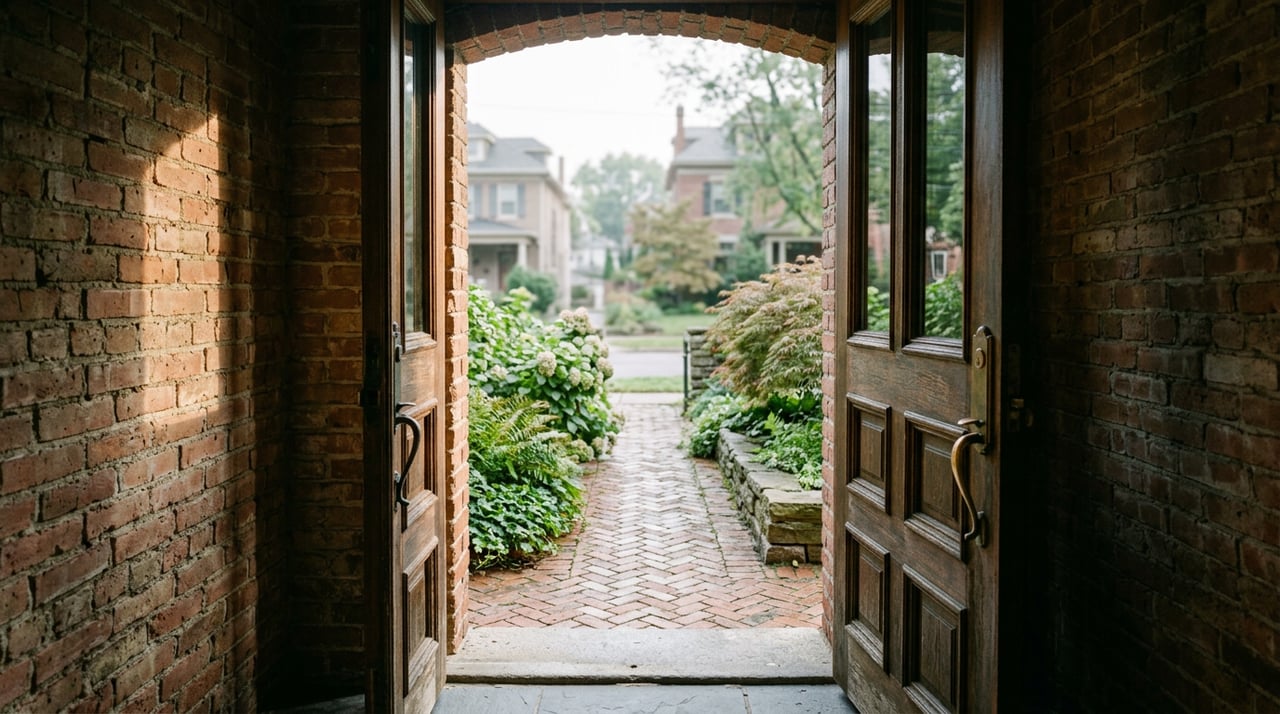
If you are drawn to Capitol Hill, chances are you are not looking for cookie-cutter housing. This Seattle neighborhood stands out for its layered streetscape, where grand early homes, classic box houses, cottages, and historic brick apartments can sit within blocks of each other. If you want to buy here, understanding the neighborhood’s architecture can help you spot value, ask better questions, and avoid surprises. Let’s dive in.
Why Capitol Hill Feels So Distinct
Capitol Hill has one of Seattle’s broadest mixes of residential building types and styles. City survey materials describe a neighborhood with surviving homes from before 1900, large numbers of early-1900s residences, and later apartment buildings.
That variety matters when you are house hunting. Two homes with similar square footage can offer very different ownership experiences depending on their age, style, materials, and history of alterations.
Another reason the neighborhood feels so visually rich is that many of its oldest houses are still standing, but they have often changed over time. That means you are often buying not just a style, but a property that has evolved through decades of updates, additions, and repairs.
Capitol Hill’s Historic Core
Harvard-Belmont District
The west slope of Capitol Hill, including Harvard-Belmont, is the neighborhood’s best-known preservation area. Seattle describes Harvard-Belmont as a well-preserved residential district of fine early-20th-century homes and notes that it became a landmark district in 1980.
More than half the buildings in the district date from the first decade of the 1900s. You will also see a strong mix of architectural styles, large estates, more modest houses, tree-lined streets, and open vistas.
For buyers, this area often represents the most formal and historically recognized side of Capitol Hill living. It can also come with more rules for exterior changes, which is important to understand before you make an offer.
14th Avenue East and Early Mansions
Seattle historical records identify 14th Avenue East as both “Millionaires’ Row” and an “Avenue of Mansions.” These larger homes reflect Capitol Hill’s early period of wealth, when prominent business leaders built substantial residences on some of the hill’s prime view streets.
If you are shopping in this part of the neighborhood, expect larger footprints, more complex rooflines, and mature landscaping. These properties can be stunning, but they also tend to require a more careful approach to maintenance and restoration.
Capitol Hill’s Apartment Legacy
Capitol Hill is not just a neighborhood of detached houses. City records show that the western part of the neighborhood became especially attractive to apartment builders because of streetcar access and proximity to downtown.
That early growth helped shape Capitol Hill into Seattle’s primary apartment district. Today, that legacy still shows up in older brick apartment buildings, classic walk-ups, and some buildings that now include condominium units.
Architectural Styles Buyers Will See
Large Early Homes and Mansions
In the west-slope and Harvard-Belmont areas, many of the grandest houses were architect-designed. Seattle notes influences ranging from late-19th-century English precedents to early-20th-century eclectic residential design.
From a buyer’s point of view, these homes often offer generous room sizes, strong street presence, and distinctive original materials such as wood shingles, clapboard, stucco, and brick. They can also require ongoing care, especially when repairs need to match historic materials and details.
Craftsman Bungalows and Cottages
A helpful rule of thumb is that bungalow refers to the form, while Craftsman refers to the style. Seattle’s historic materials describe the Craftsman bungalow as a one- or one-and-a-half-story house with a broad roof and often an open living and dining relationship inside.
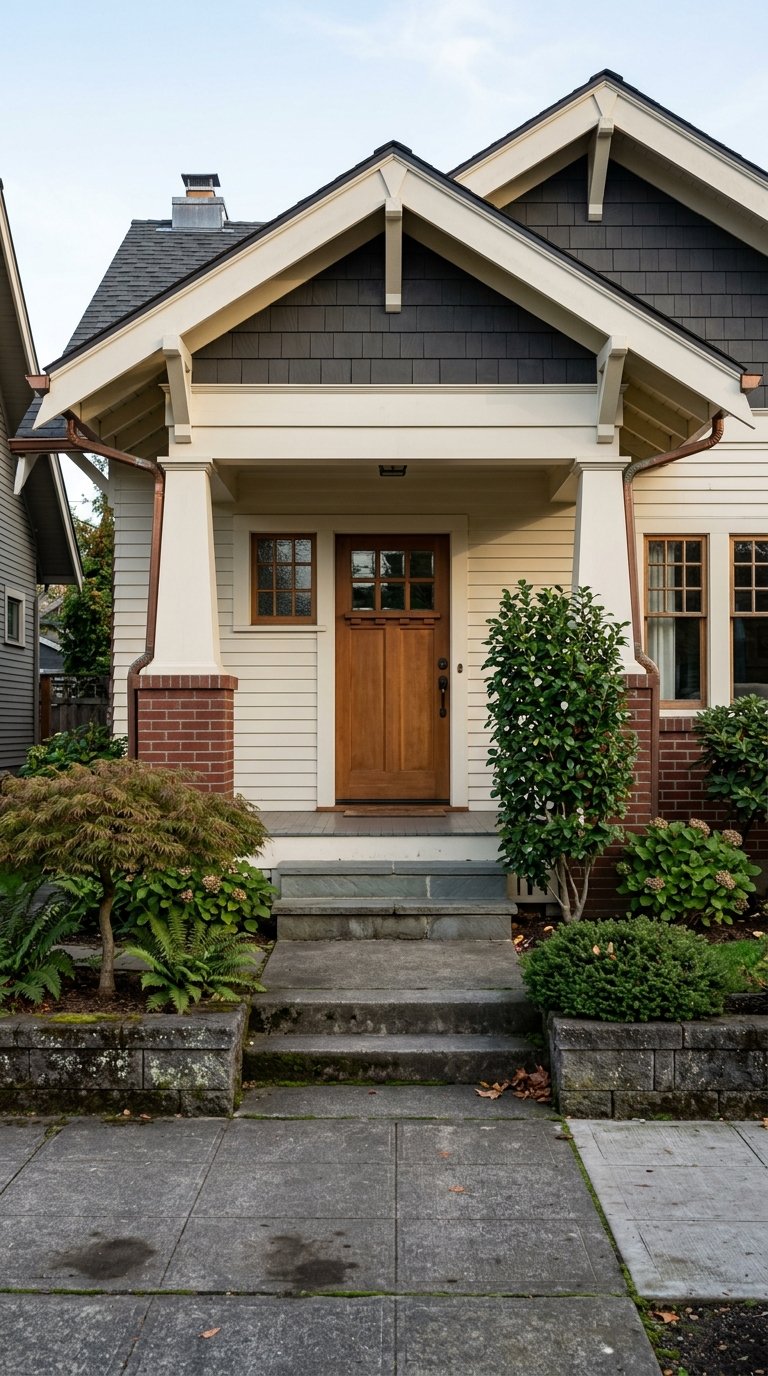
Craftsman homes are less common on Capitol Hill than in some other Seattle neighborhoods because much of the area developed before the style became popular. Still, surviving examples often feature side-gable forms, deep eaves, gabled porches, knee brackets, and multipane windows.
These homes can feel more approachable in size than the neighborhood’s larger estates. At the same time, they still bring older-home considerations such as porch details, original woodwork, siding changes, and later garage or addition work.
American Foursquare or Seattle Box
Capitol Hill has Seattle’s greatest concentration of American Foursquare houses, also called the Classic Box or Seattle Box. Historic records describe these homes as early-20th-century houses with a square or boxy plan and a hipped roof.
Many buyers like this style because it often balances character with a more practical footprint. Compared with larger mansions, these homes can offer a simpler layout and a more manageable scale while still delivering historic charm.
Inside, examples on Capitol Hill often reflect a more formal, room-by-room arrangement than many newer homes. If you prefer defined spaces over open-concept living, this style may be a strong fit.
Queen Anne and Shingle-Era Homes
Capitol Hill still has a number of Queen Anne and Shingle-style houses, especially among the older pre-1906 housing stock. Seattle survey records note traits like irregular rooflines, cutaway bays, decorative shingles, and asymmetrical massing.
Some of these homes are ornate, while others are simpler vernacular versions. Either way, they usually have more visual complexity than later Craftsman or Colonial Revival houses.
For buyers, that complexity can be part of the appeal. It can also mean more components to maintain, from trim work to unusual roof forms and custom detailing.
Colonial Revival and Dutch Colonial
Colonial Revival homes on Capitol Hill are usually easier to recognize because of their symmetry and more ordered appearance. Seattle survey materials describe features such as symmetrical facades, multipane windows, and hipped or side-gabled roofs.
Dutch Colonial examples often stand out for their gambrel roofs. In Capitol Hill’s early-20th-century housing stock, these homes generally read as more restrained and formal than Queen Anne or Craftsman properties.
If you like historic character with a cleaner, more balanced exterior, this style can be especially appealing. It often offers a classic look without the same degree of ornament seen in older Victorian-era homes.
Tudor Revival Homes and Apartments
Tudor Revival appears in both single-family houses and apartment buildings across Capitol Hill. Seattle records describe the style with steep rooflines, half-timbering, leaded glass, and decorative brick or stucco.
The style became especially common in the 1920s. As a result, buyers may encounter everything from simpler builder versions to more elaborate Tudor interpretations.
This style often attracts buyers who want strong curb appeal and period character. Just keep in mind that decorative masonry, stucco, and specialty windows may need more thoughtful upkeep over time.
Historic Brick Apartments and Condos
Historic apartment buildings are a major part of Capitol Hill’s identity. Seattle records describe early three-story brick apartment buildings, later 1920s walk-ups with brick veneer and terra cotta ornament, and some buildings that now contain condo units.
These homes often offer a compact, urban ownership experience with a strong sense of place. In one Capitol Hill example cited in city records, Park Lane has 47 condo units averaging 575 square feet and is unusual for its solid brick construction rather than the more typical wood frame with brick veneer.
For buyers, the tradeoff is usually clear. You may gain walkable city living and historic character, but you may also need to accept smaller unit sizes, walk-up access, and older masonry systems.
What to Check Before You Make an Offer
Look Beyond Street Appeal
Older Capitol Hill homes often look more original than they really are. City survey files repeatedly note siding replacement, porch reconstruction, added garages, window changes, and small additions, even on homes that still read as historic from the street.
That is why it helps to evaluate both the architectural style and the property’s alteration history. A house may have historic character, but key finishes or structural elements may have been changed over time.
Review Brick and Seismic Questions
Brick buildings deserve extra attention. Seattle Emergency Management says unreinforced masonry buildings are old brick buildings typically built before 1945, and many can be found in historic neighborhoods such as Capitol Hill.
If you are considering an older brick apartment or condo building, ask whether the building is unreinforced masonry and whether it has been retrofitted or otherwise addressed for seismic safety. That question can shape both risk and future planning.
Confirm Historic Status
Historic-district status can affect what you are allowed to change. Seattle’s Harvard-Belmont district guidance says a Certificate of Approval is required before permits are issued for visible exterior alterations, additions, new construction, or major landscape changes within the district.
More broadly, the city says properties listed only in the survey database do not have restrictions unless they are also City landmarks or located in a local or National Register historic district. In simple terms, a home can be historic without being highly regulated, but designation changes the process.
Understand Future Project Limits
The more original a house is, the more important it is to confirm what is protected, what has already been altered, and what future work will require review. This matters whether you are dreaming about new windows, an addition, exterior repairs, or major landscape changes.
For many buyers, this is where good due diligence pays off. You want clarity before closing, not after.
Smart Research Tools for Buyers
Seattle and King County provide useful research tools for older homes. The city’s Historic Resources Survey Database can be searched by address, year built, architectural style, neighborhood, or architect.
King County’s historic research guide also recommends using assessor property record cards, archives, maps, city directories, and archival photos. It notes that Seattle Public Library and the Seattle Municipal Archives hold helpful historic materials as well.
If you want a practical buyer checklist, start here:
- Is the property in the Harvard-Belmont district or another designated historic district?
- Is the property landmarked, or is it only included in the city survey?
- What do historic permits, tax cards, and old photos show about additions or removed features?
- If the building is brick, is it unreinforced masonry and has it been retrofitted?
These questions can help you separate original character from later cosmetic updates. They can also help you compare two homes that may look similar on the surface but differ quite a bit in long-term ownership demands.
Three Common Buying Paths on Capitol Hill
For many buyers, Capitol Hill ownership falls into three broad experiences. The first is the grand landmark-era house, which often offers exceptional architecture but can come with higher restoration and maintenance demands.
The second is the early-20th-century single-family home, such as a Seattle Box, cottage, or revival-style property. These homes often strike a middle ground between historic charm and manageable scale.
The third is the brick apartment or condo building, which can offer urban convenience and strong architectural identity but calls for careful review of masonry systems, seismic issues, and building layout. Knowing which path fits your goals can make your search much more focused.
If you want help sorting through Capitol Hill’s older homes, condos, and historic details with a clear plan, PBNW Homes offers thoughtful buyer representation grounded in local knowledge and careful due diligence.
FAQs
What architectural styles are most common for buyers in Capitol Hill Seattle?
- Buyers in Capitol Hill are likely to see large early homes, Craftsman bungalows, American Foursquares or Seattle Boxes, Queen Anne and Shingle-era homes, Colonial Revival and Dutch Colonial homes, Tudor Revival buildings, and historic brick apartments or condos.
What should buyers know about historic homes in Capitol Hill Seattle?
- Many Capitol Hill homes still look historic from the street, but city records show that siding, windows, porches, garages, and additions have often changed over time, so buyers should review alteration history along with style and condition.
What is the Harvard-Belmont district in Capitol Hill Seattle?
- The Harvard-Belmont district is Capitol Hill’s best-known preservation area, recognized by Seattle as a well-preserved district of early-20th-century homes where visible exterior changes may require a Certificate of Approval before permits are issued.
What should buyers ask about older brick condos in Capitol Hill Seattle?
- Buyers should ask whether an older brick building is unreinforced masonry, whether it has been retrofitted for seismic safety, and how the building’s age and masonry system may affect ownership and future work.
How can buyers research a historic property in Capitol Hill Seattle?
- Buyers can use Seattle’s Historic Resources Survey Database and review assessor record cards, archives, maps, city directories, and archival photos through local research sources in Seattle and King County.