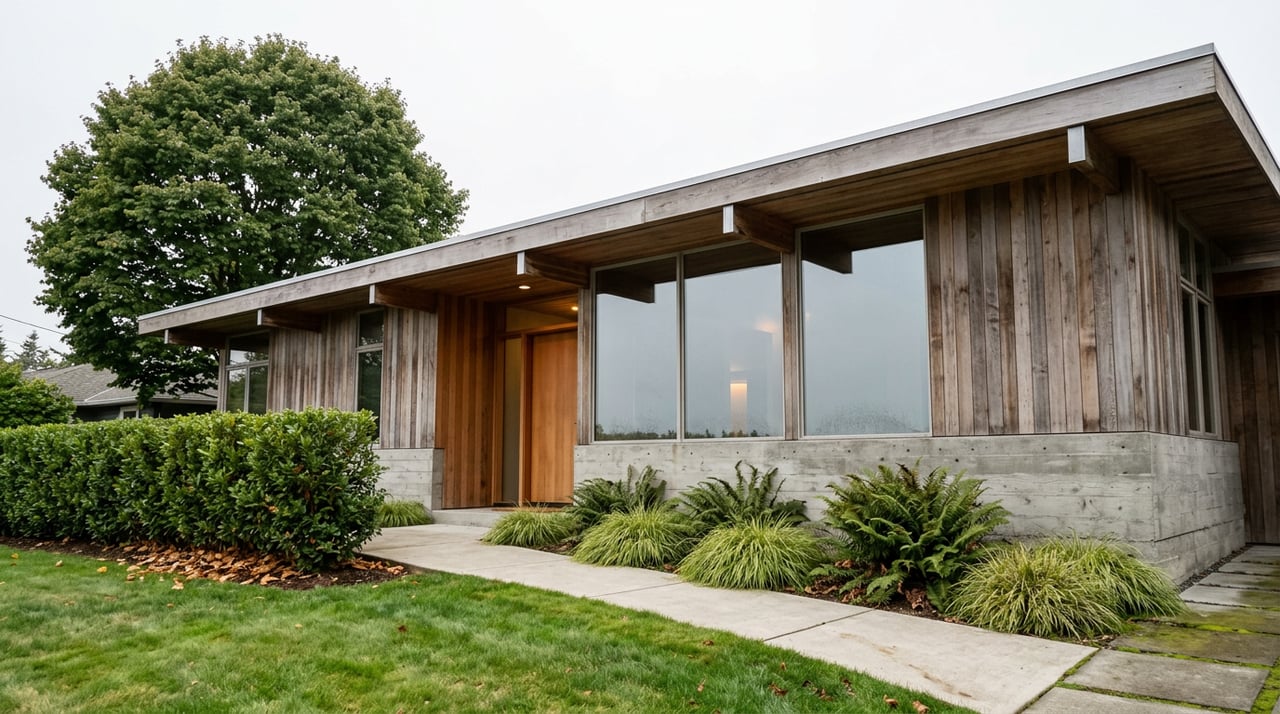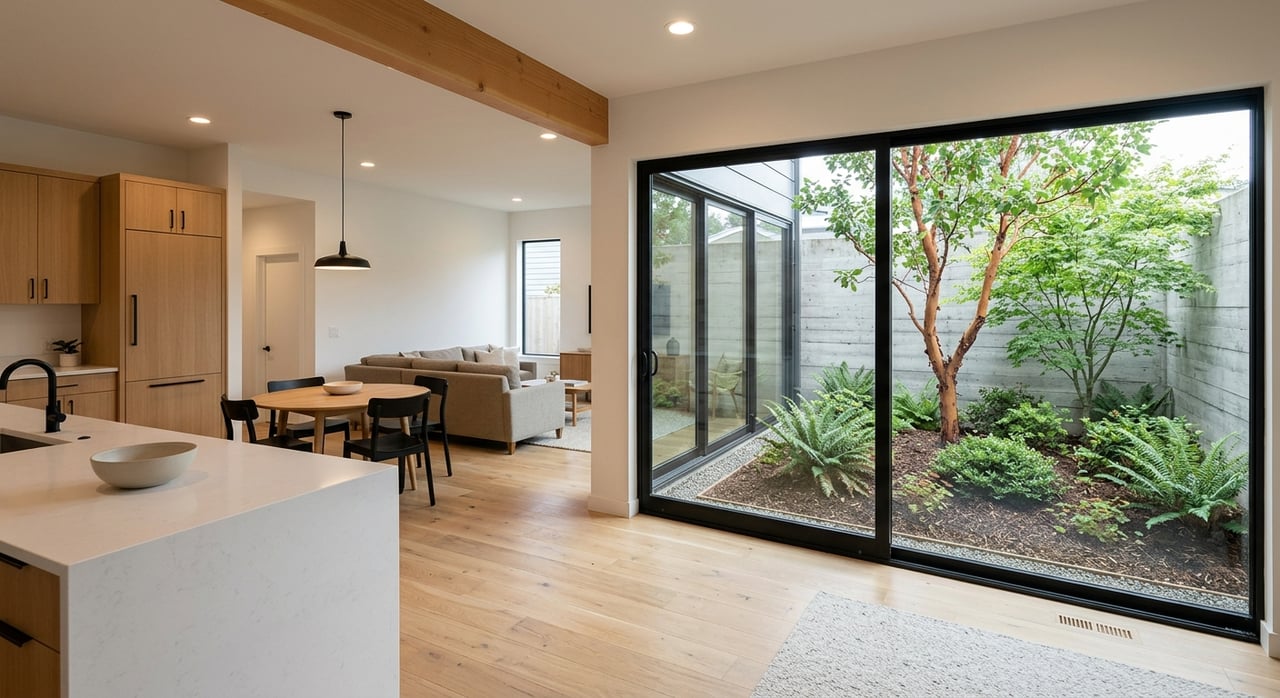
Ready to stop renting in Seattle but not ready to leap into some of the city’s highest price points? Shoreline often lands in that middle ground many buyers are looking for: close to Seattle, more residential in feel, and still competitive enough that you need a real plan. If you are thinking about trading rent payments for a mortgage north of the city, this guide will help you understand Shoreline pricing, budgeting, financing paths, and how to prepare for a fast-moving market. Let’s dive in.
Why Shoreline Gets Attention
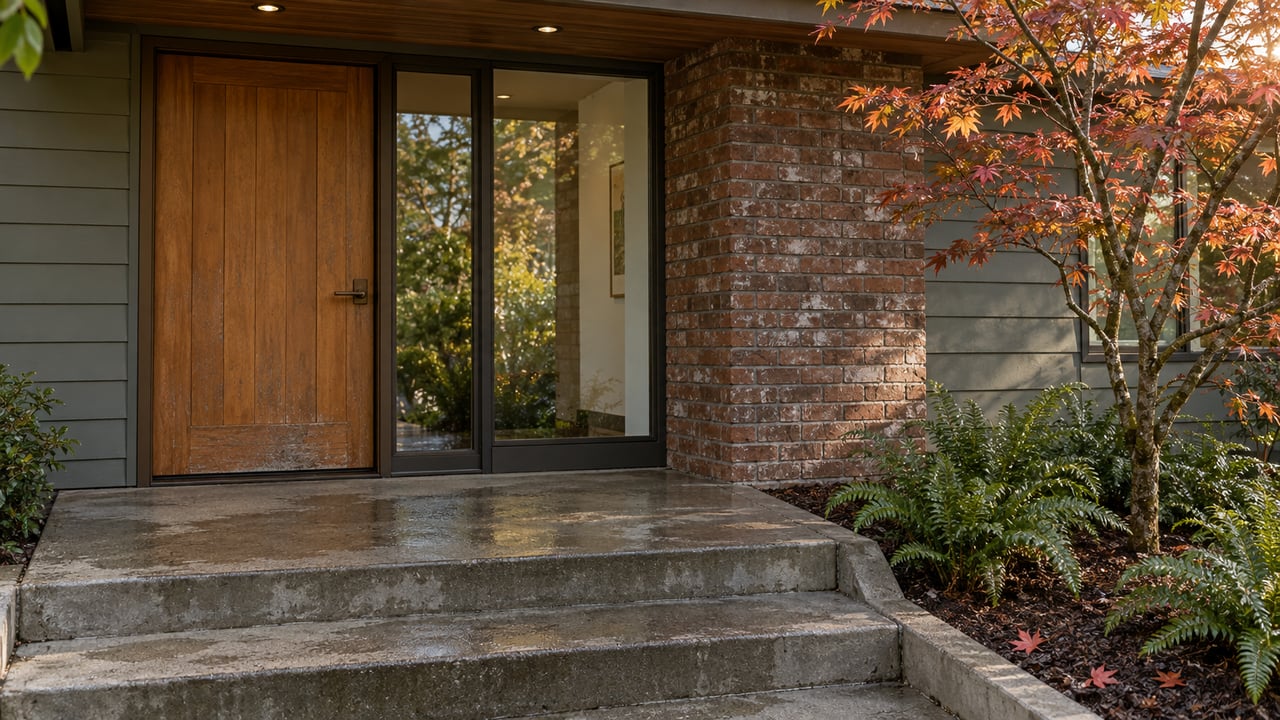
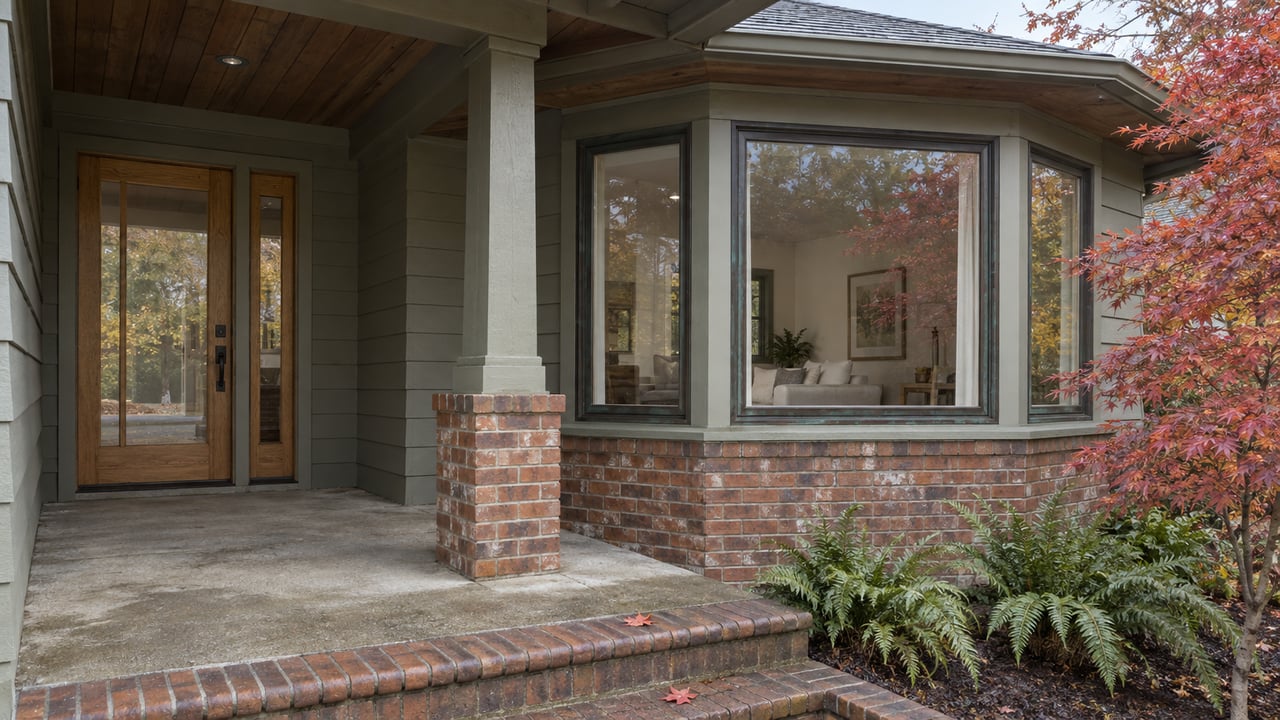
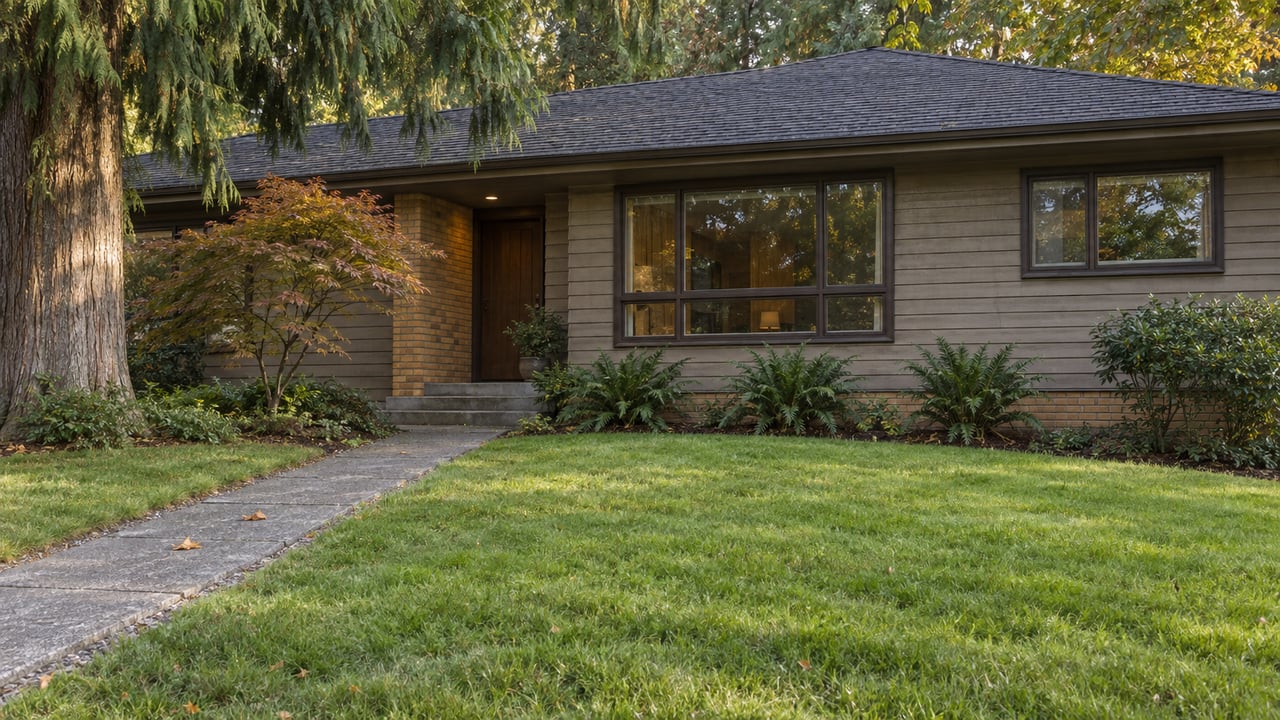
Shoreline sits just north of Seattle, shares a border with the city, and is about 10 miles from downtown Seattle. It is primarily residential, with more than 70 percent of households in single-family homes, and it offers more than 400 acres of parkland and open space.
For many Seattle renters, that combination matters. You can stay connected to the city while exploring a location that feels more suburban in layout and daily pace. For buyers who want a little more breathing room without moving far north, Shoreline naturally comes up.
The city is also served by Shoreline School District, which includes Shoreline and Lake Forest Park. According to the district, it serves roughly 9,000 students across two middle schools, two high schools, and nine elementary schools.
Shoreline Prices Compared With Seattle
Shoreline is not a bargain market, and it helps to be clear about that from the start. In April 2026, the median sale price in Shoreline was $769,603, according to Redfin market data summarized in the research report.
That said, Shoreline still came in below Seattle overall, where the median sale price was $861,118. Shoreline’s median price per square foot was also lower at $482, compared with Seattle’s $571.
For renters trying to move into ownership, that gap can be meaningful. It does not make Shoreline inexpensive, but it can make it a more attainable next step than many Seattle options.
How Shoreline Stacks Up Nearby
Looking at north and central Seattle neighborhoods gives you a clearer sense of where Shoreline fits.
- Greenwood: $774,712
- Lake City: $841,687
- Wallingford: $1,167,566
- Ravenna: $1,249,036
Based on the research report, Shoreline is nearly tied with Greenwood and about $72,084 less than Lake City. It is also roughly $397,963 to $479,433 less than Wallingford and Ravenna.
That price spread is why Shoreline often appeals to Seattle renters who want to stay close to the city but need more flexibility in their budget. Depending on your goals, the difference may help you widen your search to a condo, townhome, or smaller single-family home.
What the Shoreline Market Feels Like
Affordability is only part of the story. You also need to know how quickly homes move once they hit the market.
Over the last three months covered in the research report, Shoreline homes received an average of three offers and sold in about seven days. Seattle overall moved a bit slower at about 11 days.
That means you should expect competition. Even if Shoreline is a better fit for your budget than some Seattle neighborhoods, you still need to be prepared to act quickly when the right home shows up.
Build a Budget Around Total Cash
One of the biggest mistakes first-time buyers make is focusing only on the down payment. In reality, your total cash needed upfront usually includes the down payment, closing costs, prepaids, and a reserve cushion.
The research report notes that closing costs often run about 2 to 5 percent of the home price. On Shoreline’s median sale price, that works out to roughly $15,392 to $38,480.
A 3 percent down payment on a $769,603 home is about $23,088. Combined with those estimated closing costs, you could already be looking at roughly $38,480 to $61,568 before moving expenses and reserves.
That is why it helps to set a total cash target, not just a down payment target. When you understand the full number early, you can plan with more confidence and avoid surprises later.
Compare Loan Options Side by Side
If you are moving from renting to buying, loan structure matters just as much as sticker price. A lower down payment option may help you buy sooner, but you still want to compare the full monthly cost.
The research report highlights several low-down-payment paths for qualified buyers:
- Conventional options such as Fannie Mae HomeReady and Freddie Mac Home Possible can allow down payments as low as 3 percent
- FHA loans can allow down payments as low as 3.5 percent
- VA-backed loans can be structured with no down payment for eligible borrowers
If you put down less than 20 percent, mortgage insurance is typically required. That means you should compare options based on the full monthly payment, not just the lowest cash-to-close figure.
Why Conforming Financing May Matter
King County’s 2026 conforming one-unit loan limit is $1,063,750. Based on the Shoreline price data in the research report, many Shoreline purchases may still fit within conventional conforming financing rather than crossing into jumbo territory.
For buyers, that can be helpful when you are evaluating payment options and lender choices. It is one more reason to ask for side-by-side quotes instead of assuming one loan path is automatically best.
Washington Programs to Know
If you need help bridging the gap between renting and buying, Washington State Housing Finance Commission programs are worth asking about. According to the research report, the Home Advantage program assists both first-time and repeat buyers in Washington.
The program has a statewide income limit of $180,000 and supports up to 97 percent loan-to-value on qualifying conventional products. The Commission also offers down payment assistance that can be used for down payment, closing costs, and prepaids.
If you want to use these funds, timing matters. The Commission requires a homebuyer education seminar before reservation of funds, so it is smart to complete that step early.
A Common Seattle-to-Shoreline Mistake
Some renters assume Seattle down payment assistance programs can follow them just outside the city. That is not the case here.
The Seattle Office of Housing says its home purchase assistance is limited to homes inside Seattle city limits. If you are buying in Shoreline, make sure you are evaluating programs that actually apply to Shoreline purchases.
A Practical Path From Renting to Owning
Moving from renter to homeowner is easier when you break the process into a few clear steps.
1. Set your real cash goal
Start with the full upfront picture. Include your likely down payment, estimated closing costs, moving costs, and a reserve cushion of several months of expenses.
2. Get pre-approved before shopping
In a market where homes can move in about a week, pre-approval is not optional. Ask lenders to quote conventional 3 percent down, FHA 3.5 percent down, VA if eligible, and WSHFC Home Advantage options side by side.
3. Finish education early if using assistance
If you plan to use WSHFC funds, complete the required homebuyer education seminar early. That gives you one less thing to scramble through once you are ready to make an offer.
4. Create a fast-search plan
Because Shoreline homes averaged three offers and seven days on market, your search should be organized before you tour. Build a shortlist of areas, know your must-haves, and set a firm offer ceiling.
5. Use nearby neighborhoods as budget checks
Shoreline does not exist in a vacuum. Comparing it with Greenwood, Lake City, Wallingford, and Ravenna can help you decide whether you should target a condo, townhome, or single-family home based on your price range.
Choosing the Right Entry Point
For many Seattle renters, the real question is not simply, “Can I buy in Shoreline?” It is, “What type of home gives me the best starting point?”
If single-family homes feel tight on budget, a condo or townhome may offer a workable path into ownership while keeping you in your preferred area. If you have more flexibility, a smaller single-family home may give you the residential feel that draws many buyers to Shoreline in the first place.
There is no one-size-fits-all answer. The right move depends on your monthly comfort level, cash reserves, timeline, and how much competition you are prepared to handle.
Final Thoughts on Making the Move
Shoreline works well for many Seattle renters because it offers a close-in, north-of-city alternative with a more residential setting and pricing that can be lower than several Seattle neighborhoods. At the same time, it is still a competitive market, so success usually comes down to realistic budgeting, smart financing comparisons, and quick execution.
If you are thinking about making that move, the process gets much easier when you have a clear strategy before you start touring homes. The right guidance can help you compare neighborhoods, understand the real cash needed, and move confidently when the right property appears.
When you are ready to map out your next step from Seattle renter to Shoreline homeowner, connect with PBNW Homes for thoughtful, local guidance tailored to your goals.
FAQs
What makes Shoreline appealing for Seattle renters who want to buy?
- Shoreline offers a location just north of Seattle, a primarily residential setting, more than 400 acres of parkland and open space, and median pricing below Seattle overall based on the research report.
How competitive is the Shoreline housing market for buyers?
- Recent market data in the research report shows Shoreline homes received an average of three offers and sold in about seven days, which means buyers should be ready to move quickly.
How much cash should a buyer budget for a Shoreline home purchase?
- Using the median sale price in the research report, a 3 percent down payment is about $23,088 and estimated closing costs are about $15,392 to $38,480, bringing the combined total to roughly $38,480 to $61,568 before moving costs and reserves.
What loan options can help a Seattle renter buy in Shoreline?
- The research report notes that qualified buyers may consider conventional 3 percent down options, FHA loans with 3.5 percent down, VA zero-down financing for eligible borrowers, and WSHFC Home Advantage programs.
Can Seattle down payment assistance be used to buy a home in Shoreline?
- No. According to the research report, Seattle Office of Housing home purchase assistance is limited to homes within Seattle city limits, so it does not transfer to Shoreline purchases.
What should a buyer do first before touring homes in Shoreline?
- A strong first step is getting pre-approved and comparing loan options side by side so you know your budget, monthly payment range, and how quickly you can act in a competitive market.