Buyers moving to Seattle from newer markets tend to treat a home inspection like a pass or fail exam. Either the house is fine and you close, or something is wrong and you walk. In Ravenna, that framing costs money.
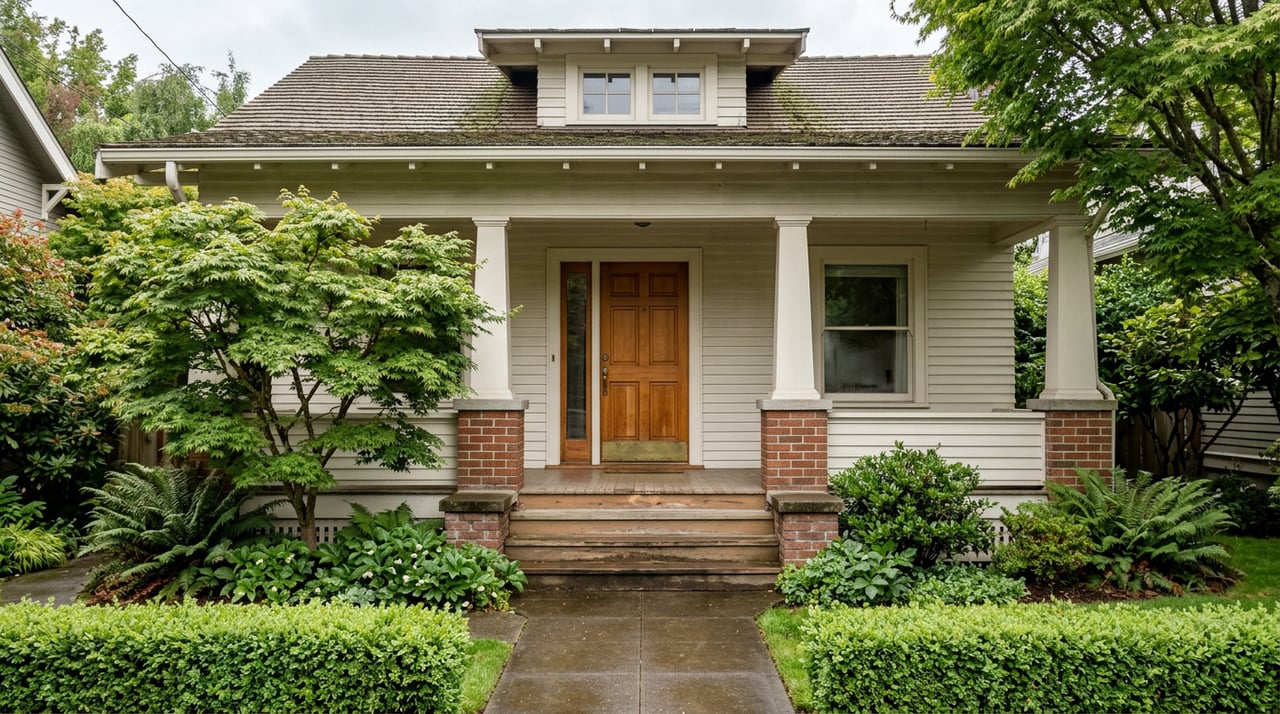
Nearly all the homes inside the neighborhood's historic core were built during the same stretch, mostly Craftsman bungalows and Tudor Revivals put up between the 1909 Alaska-Yukon-Pacific Exposition and the Depression that stopped construction cold in the early 1930s. That means the systems behind those walls are old in a predictable way. The inspector who walks through a 1920s Craftsman in Ravenna is very likely to find some version of the same four things an inspector found in the house down the block, and the one before that, going back years. Knowing the list before you write an offer turns the inspection period from a scramble into a script.
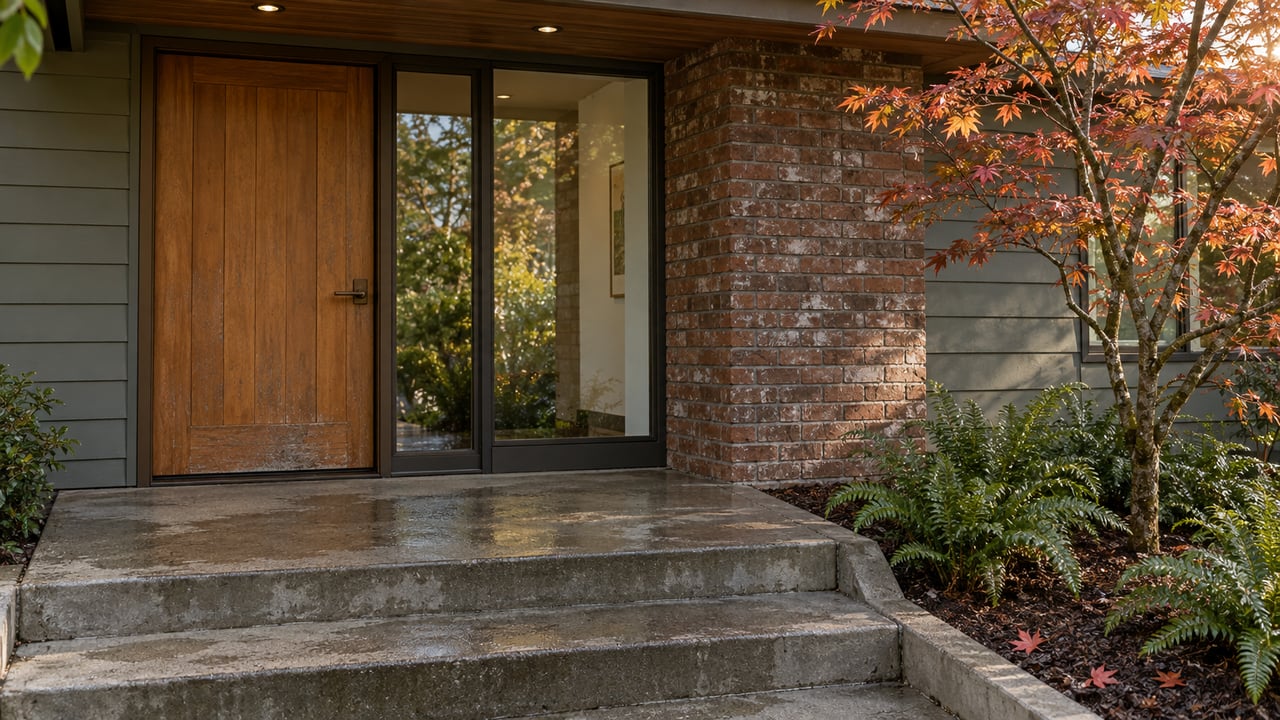
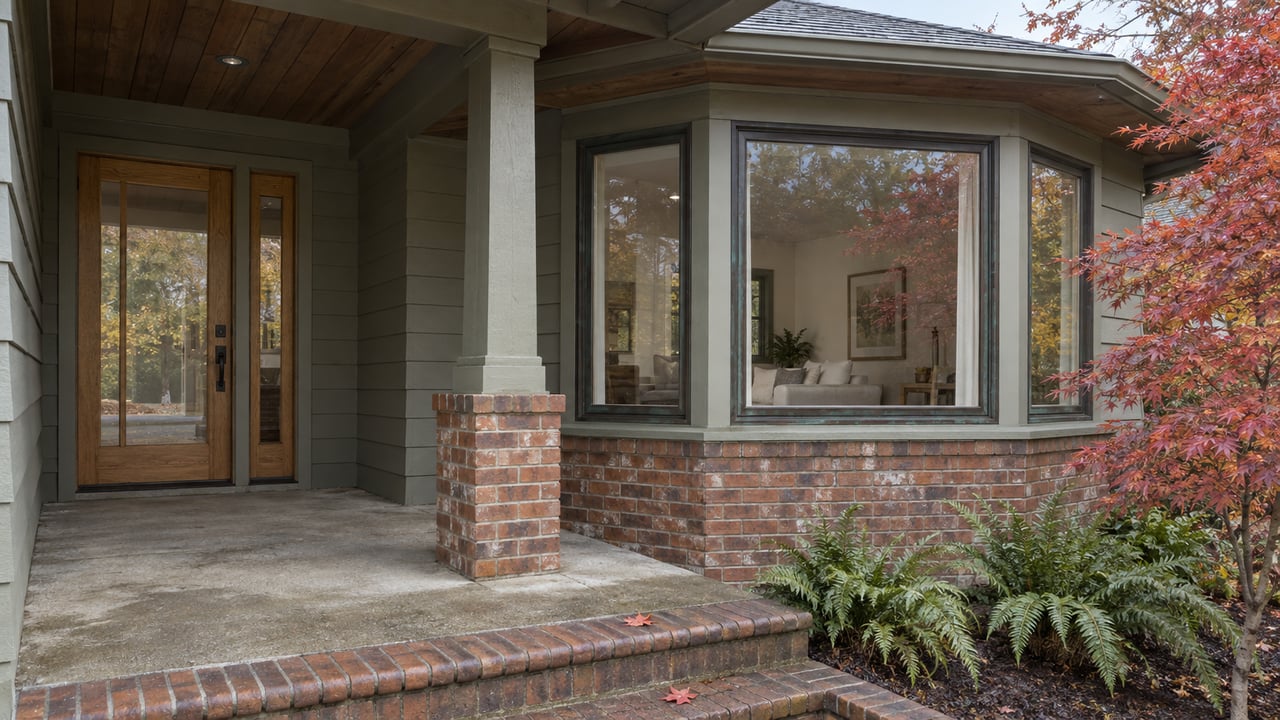
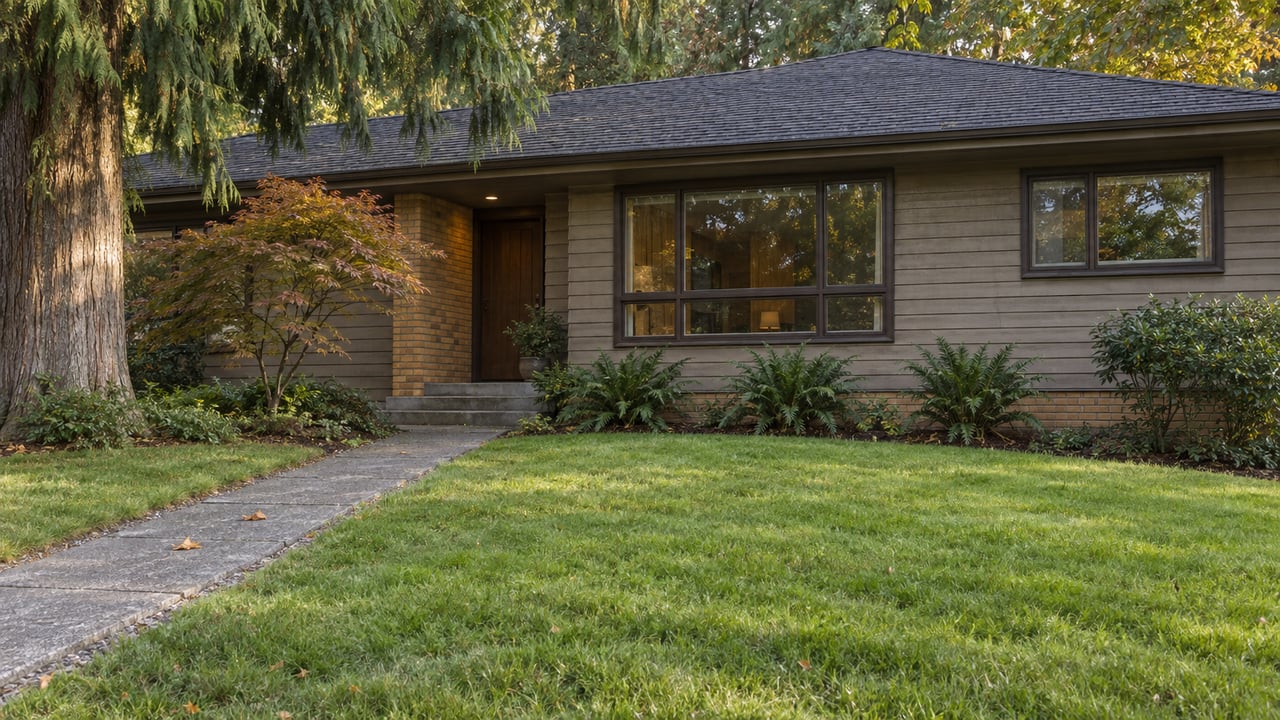
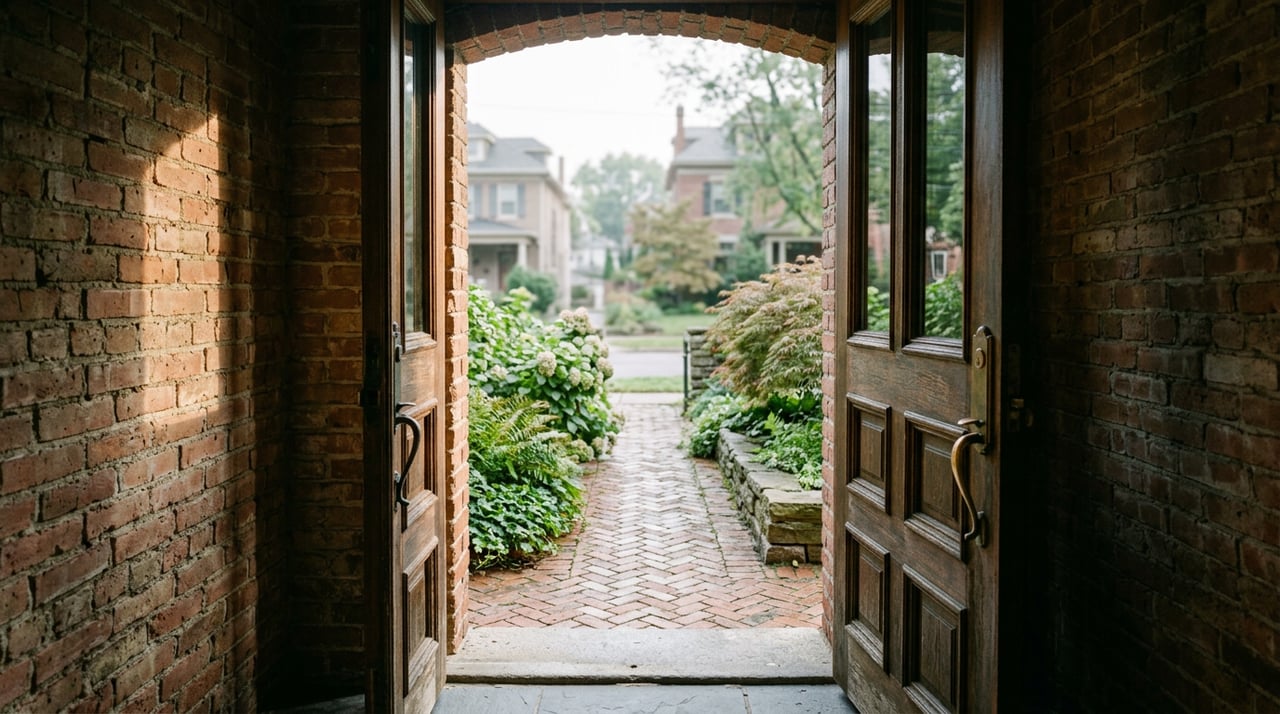
Four common inspection concerns in Ravenna's older homes
The clearest evidence for this pattern sits in the paperwork. The Ravenna-Cowen North National Historic District, roughly bounded by Northeast 65th Street, the Ravenna ravine, Ravenna and Cowen Parks, and 12th Avenue Northeast, covers 443 homes, the overwhelming majority built before the early 1930s. Friends of Ravenna-Cowen, the nonprofit that pushed for the designation, keeps a parcel-by-parcel map online where you can click any address inside the boundary and see its build year and survey notes. Pull up a dozen addresses at random and the same decade repeats itself.
That kind of uniformity does not happen in a neighborhood built across seventy years. It means the inspection report on a Ravenna listing is less a surprise and more a confirmation of what construction from that era almost always produces.
- Electrical. Homes from this era were commonly wired with knob-and-tube, an ungrounded system that some insurers decline to write a standard policy around once they see it active. A full rewire on a bungalow this age commonly lands in the low five figures, a number worth getting from an electrician before you write your Form 35R response, not after you move in.
- Supply plumbing. Galvanized steel was the standard water line of the era, and it fails the same way every time. Rust and mineral buildup narrow the pipe from the inside, pressure drops, and the water can run brown after a house sits empty ahead of a showing.
- Foundation. Post-and-beam framing and unreinforced masonry chimneys were normal construction methods in the 1910s and 1920s. An inspector will look for cracking, crawlspace moisture, and settling, none of which is unusual for the age, but all of which belongs in your negotiation.
- Side sewer. Original clay and concrete lines from this era are exactly the diameter that Ravenna's mature street trees have spent a century learning to crack. A camera down the line is the only way to know before closing, not after.
What the price data means once you know the list
As of August 2026, Ravenna's median sale price for single-family homes sold over the prior six months sat at $1,149,500, with a median size of 2,150 square feet. Zillow put the average home value at $1,090,905, down 1.0 percent over the past year. Redfin still rates Ravenna's market 92 out of 100 for competitiveness, among the tighter scores in the city, and local sources put the price per square foot anywhere from about $534 to $629 depending on which slice of the market and month you're looking at.
None of that is a discount. Using the standard 28 percent rule, comfortably affording the median Ravenna home takes roughly $244,000 in yearly income at current rates. That is a real number to sit with before entering a process that might also ask you to waive the one protection that would normally catch a five-figure surprise.
Here is the actual tension. Ravenna remains fast enough that buyers still feel pressure to strip out contingencies to win a listing, but 2026's modestly softer pricing has given buyers just enough room to keep those protections and still close. A still-competitive market with a little more give in it is the real opening this guide is about.
The forms that turn a known risk into leverage
In Washington, the inspection contingency lives in NWMLS Form 35, attached to the Purchase and Sale Agreement once an offer reaches mutual acceptance. The inspection period and Form 35R response process are part of the offer process.
A seller's own disclosure lives on Form 17, and once you receive it, RCW 64.06.030 gives you three business days to rescind. If the seller amends that disclosure with something material, RCW 64.06.040 restarts the clock. This is standard Washington paperwork, not a special maneuver, and buyers who got pressured to skip it during the frenzy years are increasingly using it again now that the market allows it, with repair credits favored over seller-completed repairs so the buyer controls the contractor and the timeline.
The point of keeping Form 35 in a Ravenna offer is not to find a reason to walk. It is to find out what the house actually needs, and put a number on it, before you own it.
The sewer question that surprises out-of-state buyers
Buyers relocating from cities where the municipal system owns the whole sewer line are often surprised to learn from Titan Inspection Services that in Seattle, homeowners are responsible for the pipe running from the house all the way to the city main, including the section that crosses under the sidewalk and street. That rule is not specific to Ravenna, but it lands harder here given how many original clay and concrete laterals remain in the ground under mature parkway trees.
A standalone sewer scope runs $250 to $400, often discounted when bundled with the general inspection. A failed line, once you factor in trenching and any permit work to cross the public right of way, can run anywhere from $5,000 to $40,000 depending on depth and access. That is not a fee worth skipping to save a few hundred dollars on an offer that will otherwise exceed a million dollars.
Before you write an offer on a Ravenna listing
- Ask your agent to check the Friends of Ravenna-Cowen map for the property's build year and any survey notes on file.
- Budget for an independent sewer scope even if the listing already includes one. A second look, especially on a pre-1980 clay or concrete line, has caught defects the first one missed.
- Get a rough rewiring quote from an electrician before you're inside your Form 35R response window, not after.
- Keep Form 35 in the contract. In a market with room to breathe again, credits are increasingly preferred over seller-completed repairs because they let you choose your own contractor and schedule.
- Read your Form 17 disclosure the day it arrives. The three-business-day clock under RCW 64.06.030 starts then, not when you get around to it.
Does a clean sewer scope from the listing agent mean I can skip my own? Not necessarily. A listing-provided scope is shot on the seller's schedule and may not reach the full length of the line or catch a joint angle that hides a problem. An independent scope during your own inspection period costs a few hundred dollars and gives you leverage the listing's version does not.
Is knob-and-tube wiring automatically a dealbreaker? No. It does not have to be replaced simply because it exists in an older home. The more useful question is whether it is still active and how an insurer will price a policy around it, both of which a licensed electrician can help sort out during your inspection window.
How fast do I need to move on a Ravenna listing? Competitively, but not blindly. A Redfin competitiveness score of 92 out of 100 means a well-priced listing still draws real interest. Keeping your Form 35 contingency intact does not mean losing the house. It means using the days you already have to look closely at systems that, given the neighborhood's age, are more predictable than most.
If you're weighing a Ravenna listing this month, the team at PBNW Homes has spent two decades negotiating exactly these systems, from the wiring to the sewer line, into terms that protect you rather than just move the deal forward. Work With Us, and let's treat the inspection period as the tool it actually is.
This article is general information, not legal, tax or financial advice. Consult a qualified professional about your situation.